You Won’t Believe What I Ate in Bishkek — Kyrgyzstan’s Best-Kept Food Secret
I came to Bishkek for the mountains, but stayed for the food. Honestly, I never expected a city so unassuming to blow my taste buds away. From steaming dumplings hidden in local markets to smoky, hand-pulled lagman you can’t find anywhere else, Bishkek’s food culture is a secret worth uncovering. This isn’t just about meals — it’s about connection, tradition, and flavors passed down for generations. Let me take you where the tourists don’t go — straight into the heart of Kyrgyz culinary life.
Arrival in Bishkek: First Impressions of a City That Feels Like Home
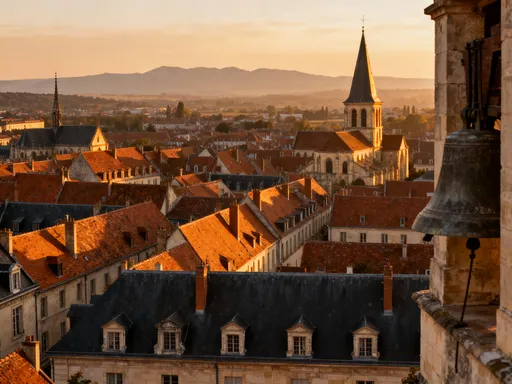
Stepping off the shuttle from Manas International Airport, the first thing that strikes you about Bishkek is its quiet dignity. There are no towering skyscrapers or flashing billboards — just wide, tree-lined avenues framed by the distant silhouette of the Ala-Too Mountains. The city wears its Soviet-era architecture with a kind of weathered grace, pastel-colored apartment blocks softened by climbing vines and bursts of marigolds in window boxes. It doesn’t try to impress. Instead, it invites you in.
For many visitors, the language barrier can feel daunting. English is rarely spoken, and even basic phrases in Russian or Kyrgyz can be a challenge at first. But something remarkable happens when you’re hungry: food becomes your translator. A smile, a gesture toward a steaming pot at a roadside stand, and suddenly, communication flows. I remember pointing at a vendor’s basket of golden pastries, miming a bite, and receiving a warm laugh — and a free sample of samsa, flaky and fragrant with onion and lamb.
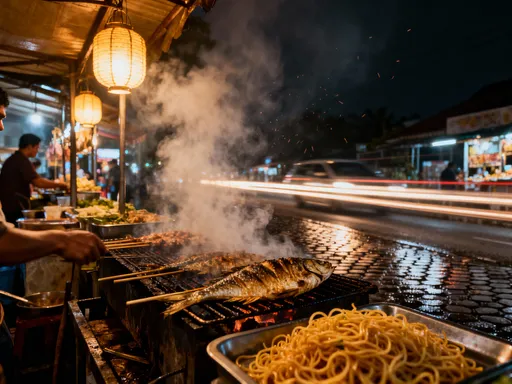
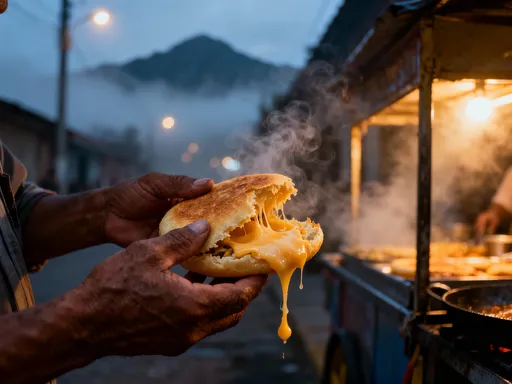
What surprised me most was how immediately the food stood out. Even on that first ride into the city, I noticed clusters of people gathered around open grills, steam rising from glass-walled carts selling manty. The scent of cumin and slow-cooked meat drifted through the open windows of the shuttle. It wasn’t gourmet, but it was alive — a city nourishing itself in plain sight. In that moment, I realized Bishkek wasn’t just a stopover. It was a destination defined by its kitchen, not its skyline.
Osh Bazaar: The Beating Heart of Bishkek’s Food Culture
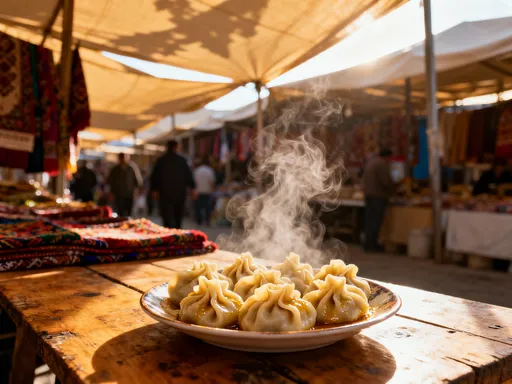
If Bishkek has a soul, it lives in Osh Bazaar. More than just a market, it’s a living museum of taste, texture, and tradition. From the moment you step inside, your senses are overwhelmed in the best possible way. Rows of dried apricots glow like amber in the sunlight. Mountains of red pepper flakes and golden turmeric spill from burlap sacks. Fresh dill, cilantro, and mint are piled so high they perfume the air for blocks. This is where the city comes to eat, to bargain, to gossip, and to remember where it came from.
One of the most mesmerizing sights is the manti makers — usually older women in headscarves, their hands moving with practiced precision. They roll out dough paper-thin, spoon in a mixture of spiced lamb and onion, and fold each dumpling into a perfect pleated pouch. They work in silence, side by side, their rhythm as steady as a heartbeat. Watching them is like witnessing a ritual passed down through generations. And when you buy a plate fresh from the steamer, the dough is tender, the filling juicy, and the topping of sour cream and garlic sauce an irresistible finish.
But Osh Bazaar isn’t just about food — it’s about experience. At a small stall near the entrance, I sipped ayran, a salty yogurt drink that’s both refreshing and deeply grounding. A vendor handed me a chipped glass with a nod, watching to make sure I approved. When I smiled and gave a thumbs-up, he grinned and refilled my glass without charge. These small moments of generosity are woven into the fabric of daily life. The market isn’t staged for tourists. It’s real, raw, and refreshingly unpolished — a place where you can taste authenticity with every bite.
The Soul of Kyrgyz Cuisine: What Makes It Unique
To understand Kyrgyz food is to understand the land and the people who have lived on it for centuries. This is a cuisine born of movement — shaped by the nomadic traditions of herders who roamed the high pastures of the Tian Shan mountains. Their lives demanded practicality: food that could be preserved, cooked over open fires, and eaten with bare hands. What emerged was a culinary identity built on simplicity, resilience, and deep flavor.
At the center of it all are a few key ingredients. Lamb is the star, prized for its richness and availability. Horse meat, though less familiar to Western palates, is a traditional favorite — lean, dark, and often used in sausages like kazy. Then there are the fermented dairy products: kymyz, made from mare’s milk, is slightly fizzy and tangy, often served in small bowls during special occasions. Ayran, as mentioned, is a daily staple, cooling and savory.
What truly sets Kyrgyz cuisine apart is its emphasis on handmade elements. Noodles are pulled by hand, dough is rolled without machines, and meals are assembled with care. Unlike the rice-heavy dishes of Uzbekistan or the dairy-focused spreads of Kazakhstan, Kyrgyz food balances meat, dough, and broth in a way that feels both hearty and harmonious. Beshbarmak, the national dish, is the perfect example: boiled meat served over wide, flat noodles and topped with onion sauce. It’s simple, yes — but in its simplicity lies its power.
And while the flavors may seem modest at first, they reveal their depth over time. There’s no heavy spicing, no masking of ingredients. What you taste is what’s real — the grass the sheep grazed on, the wood used to heat the stove, the hands that prepared it. That honesty is what makes Kyrgyz food so profoundly satisfying.
Must-Try Dishes: Beyond the Plate
No visit to Bishkek is complete without tasting its culinary pillars. Start with manty — steamed dumplings filled with spiced lamb, onion, and sometimes pumpkin. Found everywhere from street carts to family kitchens, they’re best eaten fresh, with a side of sour cream and a sprinkle of black pepper. The first time I had them at a small stall near the National Opera, I was stunned by how delicate the dough was — it dissolved almost instantly, releasing a burst of savory steam.
Then there’s beshbarmak, literally meaning “five fingers,” a nod to the tradition of eating it by hand. The dish varies by region and family, but in Bishkek, it’s often made with horse meat or lamb, served atop hand-rolled noodles and bathed in a rich onion broth. I had my most memorable plate at a small neighborhood café where the owner brought out extra meat “just because.” The flavors were deep, earthy, and deeply comforting — the kind of meal that makes you pause mid-bite and think, This is what food should be.
Samsa, the flaky baked pastry, is another must. Traditionally baked in a tandoor oven, it’s filled with minced meat, onions, and herbs, then sealed and brushed with egg wash until golden. The best ones crack open with a satisfying crunch, revealing juicy, aromatic filling. I’ve eaten samsa at dawn near bus stops, where workers line up for their morning fuel, and at dusk in quiet courtyards, shared with strangers who become temporary friends.
And then there’s kymyz — the fermented mare’s milk that divides opinion. Tart, slightly fizzy, and often an acquired taste, it’s more than a drink. It’s a symbol of hospitality and heritage. I was first offered kymyz during a visit to a family in the outskirts of the city. The host, a grandmother with kind eyes and strong hands, insisted I try it “for strength.” I sipped cautiously — and surprisingly enjoyed the clean, tangy flavor. It wasn’t just a drink; it was an invitation into their world.
Hidden Eateries: Where Locals Actually Eat
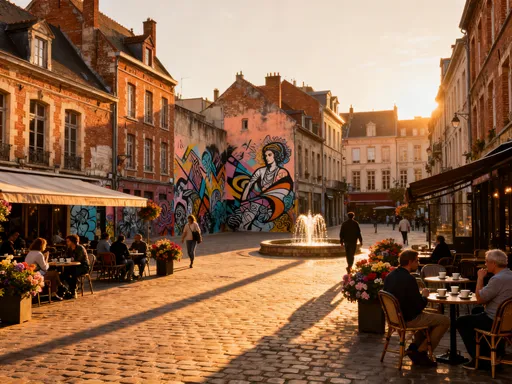
The real magic of Bishkek’s food scene isn’t in the restaurants with English menus or the spots marked on tourist maps. It’s in the unmarked doors, the plastic stools wedged into alleyways, the home kitchens that open to strangers with a smile. These are the places where tradition lives — not as performance, but as daily practice.
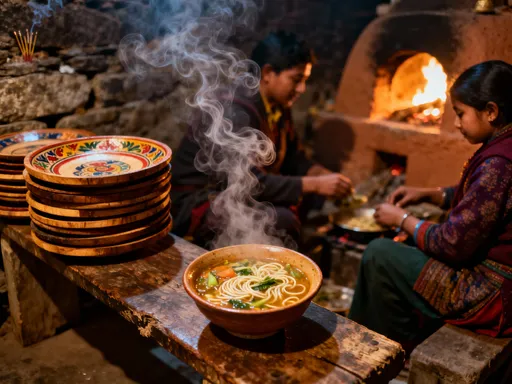
One of my most unforgettable meals happened in a small chaikhana tucked behind a residential building in the Dordoy district. There was no sign, just a faded curtain and the sound of bubbling broth. Inside, two tables, a samovar, and a woman in an apron who greeted me like an old friend. She didn’t speak English, but her gestures were clear: sit, eat, rest. She brought me a bowl of lagman — hand-pulled noodles in a smoky, tomato-based broth with tender beef and fresh greens. It was unlike any lagman I’d had before — deeper in flavor, with a hint of cumin and chili that warmed me from the inside out.
When I tried to pay, she waved her hand and brought out a plate of fresh-cut melon and a small glass of tea. Then, without warning, she placed a second bowl of lagman in front of me. “Yesh!” she said firmly — “Eat!” It wasn’t pushy; it was care. In Kyrgyz culture, refusing food is almost unthinkable. To share a meal is to share trust, and to be offered seconds is a sign of true welcome.
Finding these places takes curiosity and a willingness to wander. Ask your hotel staff for recommendations. Follow the crowds at lunchtime. Learn a few basic Kyrgyz phrases — “Menyem neytiym?” (How much does it cost?), “Rakhet” (Thank you), “Shai” (Tea). And always observe the unspoken rules: wash your hands before eating, accept what’s offered, and never rush. These aren’t just meals — they’re moments of human connection.
Food as Connection: Sharing Meals, Building Trust
In Bishkek, food is never just fuel. It’s a language of care, a bridge between strangers, a way of saying, “You belong here.” I learned this early in my trip, when I stopped to photograph a street vendor arranging jars of honey. She didn’t shoo me away — instead, she opened a jar and offered me a taste on a wooden spoon. Then another. Then she gestured for me to sit.
Over sweet, floral honey and hot tea, she began to tell me about her family, her village in the south, the bees that made this golden treasure. Her Russian was broken, mine even worse, but we understood each other perfectly. When I asked about a dish I’d seen at a nearby stall, she stood up, called her daughter, and within minutes, I was being handed a wrapped package of homemade manty — “For you. Try. Tell me what you think.”
That night, I was invited to her cousin’s home for dinner. No grand occasion — just a regular Thursday evening. But the table was covered with dishes: beshbarmak, fresh bread, pickled vegetables, bowls of kymyz and ayran. I was seated at the place of honor, near the elder of the house. No one rushed. No one looked at their phone. We ate slowly, talked warmly, and laughed often. When I tried to help clear the table, the grandmother gently pushed me back into my seat — “Guests don’t work.”
This is the heart of Kyrgyz hospitality: generous, unassuming, and deeply rooted in tradition. Meals are not events to be rushed but moments to be savored. To be invited into a home is a privilege, not a transaction. And in a world that often feels hurried and disconnected, that kind of welcome is priceless.
How to Experience Bishkek’s Food Culture Like a Local
To truly taste Bishkek, you have to let go of the guidebook mindset. Put away the map. Silence the urge to research every meal. Instead, travel with an open stomach and an open heart. Go to Osh Bazaar early in the morning, when the air is cool and the vendors are just setting up. Watch how locals choose their meat, how they inspect the herbs, how they bargain with laughter, not anger.
Be willing to say “yes” — to the extra serving, to the strange-looking dish, to the invitation you didn’t expect. Eat at small cafeterias where the menu is handwritten on a chalkboard. Try kashk, a thick porridge made from fermented milk and flour, even if it looks unappetizing. Order shorpo, a hearty mutton soup, on a chilly evening. And don’t be afraid of street food — the busiest carts are usually the safest and most delicious.
Combine your food adventures with gentle exploration. Take a walking tour of the city’s parks and monuments, but make sure it ends at a local eatery. Visit Ala-Too Square, then wander into the side streets where the smell of baking bread leads you to a hidden bakery. Let your nose guide you as much as your eyes.
And most importantly, respect the culture. Wash your hands before meals. Use your right hand when eating with others. Accept tea when offered — it’s more than a drink; it’s a gesture of peace. Learn to say “Rakhet” with sincerity, and mean it every time.
The greatest flavors aren’t found in perfection — they’re found in authenticity. They’re in the wrinkled hands of a woman folding dumplings, in the smoky scent of a tandoor oven at dawn, in the shared silence of a family meal. Bishkek doesn’t serve food. It shares life.
Bishkek doesn’t shout about its treasures — you have to lean in to hear them. Its food culture is quiet, proud, and deeply human. By stepping off the expected path and into the kitchen, the market, the shared table, travelers don’t just taste Kyrgyzstan — they live it. And that’s the kind of journey that lingers long after the last bite.