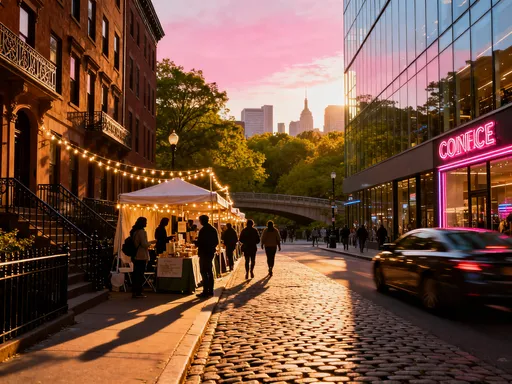
You Gotta See How Boston Turns Streets Into Shopping Magic
Walking through Boston, I realized it’s not just about stores—it’s how the city blends shopping with urban life. From cobblestone lanes to sleek avenues, every corner feels alive. I never expected to find such vibrant street markets, hidden boutiques, and local crafts woven into the city’s heartbeat. This is more than retail; it’s an experience where architecture, culture, and community connect. Let me take you through the real pulse of Boston’s shopping scene.
The Urban Pulse: Where Shopping Meets City Life
Boston’s charm lies in its ability to make shopping feel effortless and organic. Unlike cities built around sprawling malls or isolated commercial zones, Boston integrates retail into the rhythm of daily life. Its compact downtown, dense neighborhoods, and pedestrian-friendly streets encourage exploration on foot, turning even errands into small adventures. The city’s layout—shaped by centuries of organic growth—creates intimate blocks where cafes, bookshops, and artisan studios sit side by side, often separated only by a cobblestone alley or a tree-lined sidewalk. This proximity fosters discovery, inviting residents and visitors alike to wander without a fixed destination and stumble upon something unexpected.
One of the most powerful drivers of this urban synergy is Boston’s mixed-use development model. In areas like Downtown Crossing and the Theater District, residential buildings rise above ground-floor retail, keeping streets active from morning to night. This constant foot traffic supports small businesses and creates a sense of safety and vibrancy. The Freedom Trail, a 2.5-mile red-lined path connecting 16 historic sites, further enhances this effect. As tourists follow the trail from the Massachusetts State House to the Paul Revere House, they naturally pass through shopping corridors like Faneuil Hall Marketplace and Union Street. These are not add-ons but integral parts of the journey, where history and commerce coexist.
Public spaces in Boston are carefully designed to draw people in and keep them moving. Faneuil Hall Marketplace, for instance, is more than a shopping center—it’s a civic plaza that hosts farmers markets, live music, and seasonal festivals. Its open courtyards and covered arcades create sheltered zones that remain lively even in colder months. Similarly, Newbury Street in Back Bay offers a continuous stretch of boutiques, art galleries, and cafés beneath a canopy of mature trees. The street’s width, scale, and consistent architectural rhythm make it ideal for strolling, window shopping, and lingering. These environments don’t just sell products; they sell experiences, emotions, and memories.
Neighborhood Vibes: Choosing the Right Spot for Your Style
Boston’s shopping diversity is best understood by neighborhood, each offering a distinct personality and appeal. For those drawn to elegance and refinement, Back Bay is the natural starting point. Anchored by Newbury Street and bordered by the Boston Public Garden, this area combines luxury retail with cultural landmarks. Here, international brands like Louis Vuitton and J.Crew share space with independent jewelers and high-end shoe boutiques. The neighborhood’s grid layout and wide sidewalks make it easy to navigate, while its proximity to the Copley T stop ensures convenient access. Shoppers here often come dressed for an outing, treating the experience as part of a broader day of culture and leisure.
Just a short walk away, the North End offers a completely different rhythm. Known as Boston’s Little Italy, this historic neighborhood pulses with warmth and authenticity. Hanover Street is its bustling spine, lined with family-run grocery stores, pastry shops, and espresso bars. The air carries the scent of fresh bread and simmering tomato sauce, drawing visitors into a sensory-rich shopping experience. Unlike the polished storefronts of Back Bay, the North End’s retail scene thrives on intimacy and tradition. Shoppers come not to browse but to buy—hand-rolled pasta, imported cheeses, and cannoli made daily. It’s a place where cash is still common, and shopkeepers know their regulars by name.
For a more modern, curated feel, the Seaport District has emerged as a destination for contemporary tastes. Once an industrial waterfront, this rapidly evolving neighborhood now features sleek glass buildings, open plazas, and a growing number of design-forward stores. The Seaport’s retail offerings lean toward lifestyle brands, tech accessories, and sustainable fashion. Stores like West Elm and Athleta anchor the area, while pop-up markets and food trucks add seasonal variety. The district’s wide streets and ample seating encourage leisurely exploration, though its scale can feel less intimate than older parts of the city. Still, its skyline views and proximity to the Boston Convention & Exhibition Center make it a favorite for both locals and business travelers.
Across the Charles River, Cambridge’s Porter Square offers a quieter, community-oriented alternative. Served by the Red Line, this neighborhood blends academic energy with neighborhood charm. Its shopping strip features independent bookstores, eco-friendly gift shops, and ethnic grocery stores reflecting the area’s diversity. The Porter Square Farmers Market, held weekly in the summer and fall, draws residents from across the city with its fresh produce, handmade soaps, and live music. Here, shopping feels purposeful and personal, rooted in sustainability and local connection. Whether you’re seeking rare vinyl records or organic baby clothes, Porter Square rewards those who appreciate authenticity over spectacle.
From Market Squares to Pop-Ups: The Evolution of Public Retail Spaces
Boston’s approach to public space has evolved to embrace retail as a form of civic engagement. Instead of treating sidewalks and plazas as mere thoroughfares, the city has transformed them into dynamic venues for small businesses and creative entrepreneurs. The Dewey Square Farmers Market, located just south of Downtown, is a prime example. Every Tuesday and Thursday from May through November, the area around the Boston Public Market Association becomes a bustling hub of activity. Dozens of vendors sell fresh vegetables, baked goods, honey, and flowers, attracting office workers, families, and food enthusiasts. The market’s success has inspired similar initiatives in other neighborhoods, proving that well-managed public markets can revitalize underused spaces.
Seasonal pop-ups have also become a signature feature of Boston’s retail landscape. During the holiday season, the City Hall Plaza hosts a European-style Christmas market with wooden stalls selling ornaments, mulled wine, and handmade crafts. In the summer, the Rose Kennedy Greenway activates with food truck festivals, artisan fairs, and outdoor yoga classes that double as retail events. These temporary installations serve multiple purposes: they bring people downtown, support local vendors, and test demand for new retail concepts without long-term commitments. For small business owners, pop-ups offer low-risk opportunities to gain visibility and build customer bases.
The city’s support for these initiatives reflects a broader commitment to economic inclusivity. Through programs like the Boston Main Streets and the Office of Economic Development, the city provides grants, technical assistance, and permitting support to neighborhood-based vendors. These efforts ensure that retail growth doesn’t only benefit large corporations but also uplifts local makers, artists, and immigrant entrepreneurs. In neighborhoods like Jamaica Plain and Roxbury, community-led markets have become anchors of cultural pride and economic resilience. By lowering barriers to entry, Boston fosters a retail ecosystem that is diverse, adaptable, and deeply rooted in its communities.
Architecture as a Shopping Backdrop: When Design Enhances Discovery
The way Boston looks directly influences how it feels to shop there. Architecture is not just a backdrop—it shapes mood, pace, and perception. In the Back Bay, the uniform rows of 19th-century brownstones create a sense of order and elegance. Their consistent height and deep bay windows invite the eye to linger, encouraging slow, deliberate browsing. The use of brick, stone, and wrought iron details adds texture and warmth, making even window shopping a tactile experience. At street level, awnings and display windows are carefully proportioned, ensuring that storefronts feel inviting without overwhelming the pedestrian.
In contrast, the Seaport District showcases a different aesthetic—one defined by glass, steel, and open space. Here, modern retail environments prioritize light, visibility, and flexibility. Stores are often housed in minimalist buildings with floor-to-ceiling windows, blurring the line between inside and outside. This transparency not only showcases products but also makes shopping feel more accessible and less intimidating. The district’s wide sidewalks, public art installations, and waterfront views create a sense of occasion, turning a simple purchase into a scenic outing. While some critics argue that the area lacks historical character, its clean lines and open plazas appeal to a generation that values simplicity and functionality.
Green spaces play a crucial role in shaping the shopping experience as well. The Rose Kennedy Greenway, a 1.5-mile linear park built atop the Big Dig tunnel, weaves through several downtown neighborhoods, connecting retail districts with parks and cultural institutions. Benches, fountains, and shaded walkways along the Greenway encourage people to pause, rest, and re-engage with their surroundings. Retailers located near the Greenway benefit from increased dwell time—shoppers who linger are more likely to make impulse purchases or visit multiple stores. Similarly, the Boston Public Garden’s pathways and swan boats draw visitors into the Back Bay, where they naturally extend their walk into nearby shopping streets.
Thoughtful urban design elements—such as lighting, seating, and scale—also influence consumer behavior. Well-lit streets feel safer and more welcoming at night, extending shopping hours. Comfortable benches and bike racks reduce fatigue, allowing people to explore longer. And buildings designed at human scale—typically three to five stories—create a sense of intimacy that encourages engagement. Boston’s best shopping areas intuitively understand these principles, crafting environments that don’t just accommodate people but genuinely welcome them.
Transit and Walkability: How Getting There Shapes the Experience
One of Boston’s greatest advantages is its accessibility. The city’s public transportation system, known locally as the T, makes it easy to move between shopping districts without a car. The Red, Orange, Blue, Green, and Silver Lines connect key neighborhoods, with most major retail areas located within a five-minute walk of a station. For example, Back Bay is served by both the Green and Orange Lines, while the North End is just a short walk from the Aquarium stop on the Blue Line. This connectivity reduces the stress of parking and allows shoppers to cover more ground in a single day.
Walkability scores in Boston are among the highest in the United States, particularly in central neighborhoods. According to Walk Score, Back Bay and the North End both rank in the “walker’s paradise” category, with scores above 90. This means that most errands can be completed on foot, and retail destinations are clustered within comfortable walking distance. The city’s compact size—just over 48 square miles—further enhances this advantage. A shopper can start the morning at Faneuil Hall, take the T to Porter Square for lunch, and end the day browsing boutiques on Newbury Street, all without ever driving.
Bike infrastructure is also expanding, with over 200 miles of bike lanes and the Bluebikes program offering thousands of rental stations across the city. Cyclists can easily access shopping areas like the Seaport and Cambridge, where secure bike racks are increasingly common. For families or those with mobility concerns, the T is equipped with elevators and ramps at most stations, ensuring inclusive access. These transportation options not only make shopping more convenient but also more sustainable, reducing traffic congestion and carbon emissions.
Practical tips for navigating Boston’s retail landscape include starting early to avoid crowds, using the MBTA’s real-time tracking app to plan routes, and wearing comfortable shoes—cobblestone streets can be unforgiving. Combining shopping with other activities, such as a visit to the Isabella Stewart Gardner Museum or a walk along the Charles River, can make the day more fulfilling. By embracing public transit and active transportation, shoppers gain more than convenience—they gain a deeper connection to the city itself.
Local Life Over Tourist Traps: Finding Authentic Urban Commerce
While Boston welcomes millions of tourists each year, the most meaningful shopping experiences often lie off the beaten path. Areas like Faneuil Hall’s upper level and the souvenir shops near the Common can feel generic, offering the same mugs, T-shirts, and keychains found in any tourist destination. For those seeking authenticity, the real treasures are found in neighborhood markets, independent boutiques, and family-owned stores where locals shop and gather.
In the South End, for example, the SoWa Open Market transforms a former warehouse district into a weekend haven for artists, designers, and food producers. Every Sunday from spring through fall, the area buzzes with handmade jewelry, vintage clothing, and farm-to-table food. Unlike curated mall environments, SoWa feels raw and real—its gravel lots and industrial backdrop only adding to its charm. Similarly, in Jamaica Plain, the Centre Street corridor is lined with locally owned businesses, from a zero-waste grocery store to a record shop specializing in jazz and soul. These places thrive on loyalty and word-of-mouth, not advertising.
Cambridge’s Harvard Square offers another layer of authenticity, shaped by its academic and international community. Here, bookstores like the Harvard Book Store and indie shops like Toad & Co reflect a commitment to sustainability and intellectual curiosity. The area’s mix of students, professors, and residents creates a discerning customer base that values quality over convenience. Even the food scene—featuring Ethiopian cafes, Japanese bakeries, and organic juice bars—speaks to a culture of exploration and inclusion.
Supporting these local businesses does more than yield unique souvenirs—it strengthens the social fabric of the city. When shoppers choose independent stores over chains, they help preserve neighborhood character and ensure that economic benefits stay within the community. These shops often source locally, reduce waste, and engage in civic life, from sponsoring Little League teams to hosting art shows. By shifting focus from tourist traps to authentic commerce, visitors don’t just take something home—they become part of Boston’s story.
Future-Proof Shopping: Sustainability and Smart Growth in Boston’s Urban Plan
Looking ahead, Boston is making deliberate choices to ensure that its shopping culture remains vibrant, equitable, and environmentally responsible. The city’s Climate Ready Boston initiative includes goals to reduce carbon emissions from transportation and buildings, directly impacting how retail spaces are designed and accessed. For example, pilot programs have tested car-free zones on parts of Newbury Street and in the Seaport, transforming roadways into pedestrian plazas lined with seating, planters, and pop-up vendors. These trials not only improve air quality but also create safer, more enjoyable shopping environments.
Green building standards are also shaping the future of retail. New developments in the Seaport and Innovation District are required to meet energy efficiency benchmarks, with many featuring green roofs, solar panels, and rainwater harvesting systems. These features reduce environmental impact while enhancing the customer experience—green roofs provide insulation and recreational space, while natural lighting and ventilation improve indoor comfort. Retailers are also adopting sustainable practices, from using recycled packaging to offering repair services that extend product life.
Equally important is the city’s focus on inclusive growth. As property values rise, there is a risk that small, independent shops will be priced out. To counter this, Boston has expanded commercial rent assistance programs and created legacy business registries to protect long-standing neighborhood institutions. These efforts recognize that a city’s soul is not measured by how many luxury brands it hosts, but by how well it supports the people who have shaped it for generations.
Technology, too, is being used thoughtfully. Digital kiosks, mobile payment options, and online directories help shoppers find stores and services more efficiently, but the city resists over-digitization that could erode human connection. The goal is not to replace face-to-face interaction but to enhance it—using data to improve accessibility, not to push targeted ads or surveillance. In this way, Boston is crafting a future where shopping remains personal, purposeful, and deeply tied to place.
Boston proves that great shopping isn’t just about what you buy—it’s about where and how you discover it. When urban space is designed with people in mind, every stroll becomes a story, every purchase a connection. This is city life at its best: alive, layered, and full of soul.