You Gotta Taste This: How Mérida’s Hidden Food Scene Stole My Heart
Nestled in the Andes, Mérida, Venezuela, isn’t just about mountain views and cable cars—its soul lives in the sizzle of street stalls and family-run cocinas. I went for the scenery but stayed for the food, discovering flavors deeply tied to local traditions. From warm arepas stuffed with fresh cheese to steaming bowls of pizca andina, every bite told a story. This is cuisine rooted in culture, where meals are moments and ingredients are heirlooms. The rhythm of daily life here moves with the turning of corn on grills, the clatter of wooden spoons in clay pots, and the laughter that rises when a table is shared. In Mérida, food is not simply sustenance; it is memory, identity, and love made tangible.
First Impressions: A City Where Culture and Cuisine Collide
Stepping into Mérida feels like entering a living postcard—colonial buildings with red-tiled roofs line narrow cobblestone streets, and the crisp mountain air carries the scent of woodsmoke and roasting corn. The city rests at over 1,500 meters above sea level in Venezuela’s western Andes, where cooler temperatures shape both lifestyle and diet. Unlike the tropical heat of the coast, Mérida’s highland climate nurtures hardy crops like potatoes, corn, and Andean tubers, forming the backbone of its culinary identity. It’s a place where tradition isn’t preserved behind glass but lived in kitchens, markets, and street corners.
One of the first places that reveals Mérida’s culinary heartbeat is Mercado Gualguapa, a bustling indoor market where vendors arrange pyramids of fresh cheese, baskets of native potatoes, and bundles of fragrant herbs. Shoppers weave through stalls, bargaining gently and exchanging news. The market isn’t just a place to buy food—it’s a social institution, a hub where recipes are passed down and seasonal ingredients are celebrated. Here, a woman might hand you a warm arepa fresh off the griddle, not to sell, but to share. That gesture—small, unscripted, generous—captures the spirit of Andean hospitality.
What makes Mérida’s food culture distinct is its deep connection to place. The terrain, climate, and agricultural practices have shaped a cuisine that is both humble and deeply satisfying. Meals are built around what the land provides, and waste is rare. Even the most modest kitchen turns simple ingredients into something nourishing and flavorful. This is not fast food; it’s food with patience, with purpose. For travelers, the first taste of this rhythm—of food made slowly, shared freely—can be as transformative as the view from the cable car at Pico Espejo.
The Heart of the Plate: Staples of Mérida’s Traditional Diet
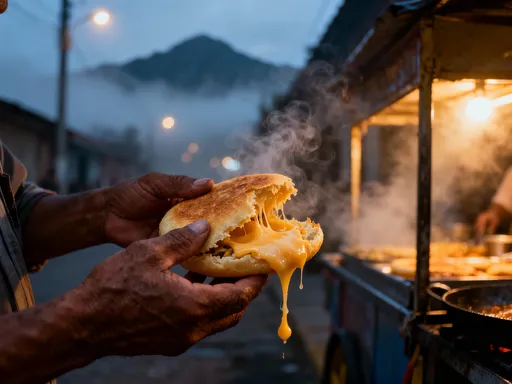
To understand Mérida’s food is to understand its staples: corn, cheese, potatoes, and a handful of native herbs that give dishes their distinctive Andean character. These ingredients are more than pantry items—they are threads in a culinary tapestry woven over generations. At the center of it all is the arepa, a round corn cake cooked on a griddle and split open to be filled with soft white cheese, shredded beef, or black beans. In Mérida, arepas are thicker than in other regions, often toasted until golden, their interiors tender and slightly sweet from the fresh-ground cornmeal.
Another beloved staple is the empanada andina, a deep-fried pastry filled with spiced ground beef, potatoes, and raisins—a blend of indigenous and Spanish influences. Unlike the flaky empanadas of the coast, these are heartier, designed to warm the body on chilly mountain evenings. Then there’s the tizana, a cold fruit drink made with chunks of pineapple, guava, and apple, sweetened with panela (unrefined cane sugar) and often spiked with a splash of milk. Served in tall glasses over ice, it’s a refreshing counterpoint to the rich, savory dishes that dominate the table.
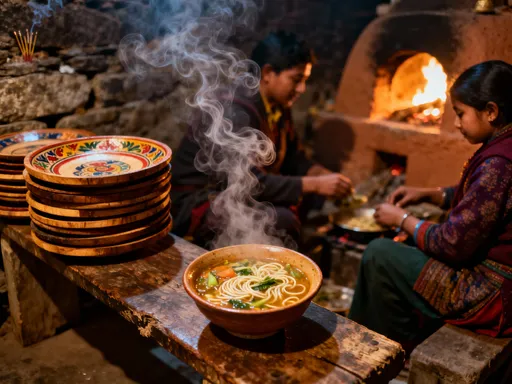
Perhaps the most emblematic dish is pizca andina, a thick soup made with chicken, potatoes, corn, and herbs like periquillo and cilantro. It’s a dish born of necessity—filling, nutritious, and adaptable—but it has become a symbol of home. Families gather around steaming bowls, especially during the cooler months, and the recipe varies from household to household, each claiming theirs is the most authentic. These dishes are more than comfort food; they are cultural markers, quietly asserting identity in a world of globalized tastes. To eat them is to participate in a tradition that values care, connection, and continuity.
From Farm to Table: How Local Producers Fuel the Flavors
The richness of Mérida’s cuisine begins long before it reaches the plate—it starts in the small farms, or chacras, that dot the surrounding valleys. These family-run plots cultivate native potatoes, yuca, corn, and herbs using methods passed down for generations. One such farm, just a short drive from the city, is tended by Don Rafael and his wife, Doña Marta, who have worked the same land for over forty years. Their fields are a patchwork of colors—purple ulluco, yellow potatoes, and red-skinned papacito—each variety adapted to the high-altitude soil and climate.
What sets these farms apart is their commitment to biodiversity. While industrial agriculture often favors uniformity, Andean farmers grow dozens of potato varieties, each with its own texture, flavor, and use. Some are best boiled, others roasted or mashed into soups. This diversity is not just agricultural—it’s cultural. Each variety carries a name, a story, and a place in traditional cooking. When a chef in Mérida uses native potatoes in a modern dish, they’re not just adding flavor; they’re honoring centuries of knowledge.
Yet these small-scale producers face growing challenges. Climate shifts, limited access to markets, and competition from imported goods make it harder to sustain traditional farming. Younger generations are often drawn to urban jobs, leaving fewer hands to work the land. Still, there is hope. Culinary tourism has begun to create new demand for locally grown ingredients. Some restaurants now list their suppliers on menus, giving farmers recognition and fair compensation. Others host farm-to-table dinners, inviting visitors to see where their food comes from. These efforts do more than support livelihoods—they strengthen the link between land, food, and culture, ensuring that Mérida’s flavors remain rooted in authenticity.
Street Food with Soul: Where Locals Eat (and Why You Should Too)
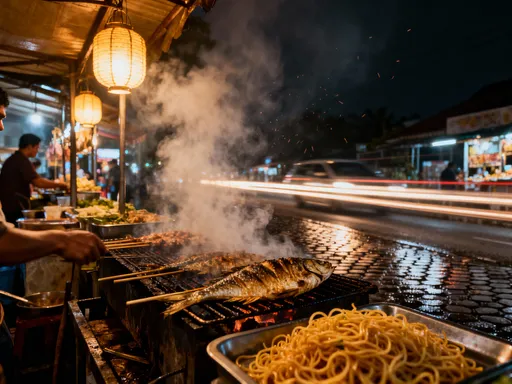
If Mérida’s markets are its culinary heart, its street food is its pulse. As evening falls, food carts spring up around Plaza Bolívar and along Avenida Urdaneta, their grills glowing under strings of bare bulbs. The air fills with the sizzle of chorizo, the tang of guasacaca (a herb-based sauce similar to chimichurri), and the sweet scent of caramelized onions. This is where locals come after work, where families gather on weekends, and where travelers who venture beyond hotel restaurants discover the city’s true flavors.
One must-try is quesillo con arepa, a simple but beloved combination of a fresh corn arepa and a slice of quesillo, a soft, mild cheese that melts slightly from the warmth of the bread. It’s often served with a side of hogao, a tomato and onion relish cooked with garlic and herbs. Another favorite is chorizo topped with guasacaca and served in a crusty roll, its smoky richness balanced by the bright, herbal sauce. And no night is complete without a cup of chicha andina, a fermented corn drink with a slightly sweet, tangy taste that warms the throat on a cool night.
For visitors, eating street food can feel intimidating, but with a few simple guidelines, it’s both safe and deeply rewarding. Look for carts with high turnover—fresh food is less likely to spoil. Watch how the vendor handles ingredients; clean practices are a good sign. And don’t be afraid to ask questions—many vendors are happy to explain what they’re serving. Most importantly, eat like a local: stand at the counter, savor each bite, and smile. These small acts of participation do more than satisfy hunger—they build connection. In Mérida, sharing a meal, even a simple one from a street cart, is an act of belonging.
Dining with a Story: Family Kitchens and Cultural Connection
One of the most memorable meals I’ve ever had wasn’t in a restaurant but in the home of Doña Elena, a retired schoolteacher who opened her kitchen to travelers through a local culinary tourism program. Her house, perched on a hillside outside the city, offered sweeping views of the valley, but the real beauty was inside—the scent of simmering chicken, the sound of laughter, and the warmth of a table set for guests. The meal, a comida criolla, began with a bowl of pizca andina, followed by roasted chicken with potatoes, fried plantains, and a salad of fresh tomatoes and onions.
As we ate, Doña Elena shared stories—of her childhood, of family recipes, of how her mother taught her to grind corn by hand. She spoke of values: patience, generosity, the importance of sitting together. In her kitchen, food was never just about nutrition; it was a language, a way of expressing care. The act of cooking, serving, and sharing was itself a ritual, one that reinforced family bonds and community ties. Her granddaughter, sitting beside her, listened quietly, then asked how to thicken the soup. It was a small moment, but it carried weight—the passing of knowledge, the quiet continuation of tradition.
Yet this kind of home cooking is at risk. With more people working long hours and convenience foods becoming more common, the daily family meal is fading in many households. Younger generations may know the taste of pizca andina but not how to make it. Recognizing this, local organizations have begun promoting culinary tourism as a way to preserve these traditions. By inviting travelers into their homes, families not only earn extra income but also reaffirm the value of their cuisine. These shared meals do more than feed visitors—they remind locals of what they have, and what’s worth protecting.
Modern Twists on Tradition: How Young Chefs Are Reinventing Andean Cuisine
While many in Mérida cherish tradition, a new generation of chefs is finding ways to honor it while embracing change. In small restaurants tucked into colonial courtyards or modern storefronts, they are reimagining Andean dishes with fresh techniques and artistic presentation. At one such spot, a young chef named Andrés serves a deconstructed arepa—layers of cornmeal, cheese foam, and pickled vegetables arranged on a slate plate. It looks nothing like the street version, but the flavors are unmistakably Mérida.
What makes these innovations successful is their respect for roots. These chefs don’t discard tradition; they reinterpret it. Another restaurant offers a tasting menu that traces the journey of the potato—from a simple boiled tuber with herb butter to a creamy mousse infused with native spices. Each course tells a story, educating diners while delighting their palates. The goal isn’t to replace old ways but to expand them, to show that Andean cuisine can be both timeless and contemporary.
This balance is delicate. Tourism brings demand, but it can also push restaurants to simplify or exoticize dishes for foreign tastes. The best chefs resist this pressure. They source locally, train young cooks in traditional methods, and explain their inspiration to guests. They understand that authenticity isn’t about freezing culture in time—it’s about letting it evolve with integrity. When done right, this culinary innovation doesn’t dilute tradition; it strengthens it, proving that Mérida’s food is not a relic but a living, breathing art form.
Beyond the Plate: How Food Shapes Identity in Mérida
In Mérida, food is never just food. It is woven into festivals, music, and the rhythms of the seasons. During the Feria de la Luna, a celebration held every September, the streets fill with food stalls offering seasonal specialties—sweet corn tamales, spiced pork, and fresh cheese pastries. Music plays, children dance, and families gather around tables laden with shared dishes. These moments are not just about celebration; they are acts of cultural affirmation, a way of saying, “This is who we are.”
For younger generations, the relationship with culinary heritage is complex. Some embrace it proudly, eager to learn family recipes and promote local ingredients. Others see it as old-fashioned, something their grandparents did but not necessarily something they want to carry forward. The challenge is to make tradition feel relevant—to show that cooking pizca andina isn’t just about the past but about identity, health, and sustainability in the present.
Protecting food traditions is not nostalgia; it is necessity. When a recipe is lost, so is knowledge—of farming, of nutrition, of community. When a dish disappears, a piece of culture fades. In Mérida, efforts to preserve culinary heritage are growing—from school programs that teach children to cook traditional meals to cooperatives that support small farmers. These initiatives recognize that food is more than flavor; it is memory, resilience, and pride. To eat in Mérida is to taste a culture that refuses to be erased.
In Mérida, every meal is an act of remembrance and resistance—an invitation to slow down and savor more than flavor. By choosing to eat like a local, travelers don’t just taste tradition; they help keep it alive. The real journey isn’t just through the mountains, but through the stories told around the table. When you bite into a warm arepa, drink a cup of chicha, or share a bowl of pizca with a family, you’re not just a visitor. You’re part of the story. And that, perhaps, is the most nourishing thing of all.