Bangalore’s Soul: Where Culture Comes Alive in Every Corner
You know what I didn’t expect from Bangalore? A city that pulses with tradition beneath its tech-savvy surface. Beyond the startup hubs and coffee shops, I found temples humming with chants, classical music drifting through leafy lanes, and artisans keeping ancient crafts alive. This isn’t just India’s Silicon Valley—it’s a cultural heartbeat. If you’re chasing authenticity, Bangalore’s hidden rituals and vibrant heritage scenes will blow your mind. Let me take you where the real India breathes. Here, tradition isn’t preserved behind glass; it lives in the rhythm of daily life, in the folds of silk saris, the scent of sandalwood, and the echo of temple bells. This is a city where progress doesn’t erase the past—it dances with it.
The Cultural Paradox of Modern Bangalore
Bangalore is often celebrated as India’s innovation capital, a city defined by coding bootcamps, multinational tech offices, and a youth-driven startup culture. Yet, beneath this modern exterior lies a deeply rooted cultural fabric that refuses to be overshadowed. The city’s identity is not a contradiction but a compelling duality—one where Wi-Fi signals flow through neighborhoods where morning rituals begin with oil lamps and Sanskrit mantras. This coexistence is not accidental; it is intentional, organic, and quietly revolutionary. In districts like Malleswaram and Basavanagudi, ancestral homes with carved wooden doors stand just blocks away from co-working spaces and vegan cafes. These areas, once residential enclaves for traditional Brahmin families, have evolved without losing their soul. Grandmothers still roll out dosas on clay stoves while grandchildren video-call clients in London—both part of the same household, the same heritage.
What makes this cultural balance so remarkable is its accessibility. Unlike cities where tradition is reserved for tourists or ceremonial occasions, in Bangalore, it’s woven into everyday routines. You don’t need a festival ticket to hear a Carnatic raga; you might catch one drifting from a neighborhood music school at dawn. You won’t find heritage locked in museums—instead, it’s on display in temple courtyards, street-side weaving units, and family-run eateries serving century-old recipes. The city’s growth has not diluted its customs; rather, it has created space for them to adapt. Young professionals attend yoga sessions before board meetings, and tech entrepreneurs fund classical music festivals. This is not nostalgia—it’s cultural continuity with a modern rhythm.
The key to understanding Bangalore’s cultural resilience lies in its communities. Long-standing neighborhood associations, temple trusts, and cultural academies have ensured that traditions are passed down with pride. At the same time, civic pride and urban planning have preserved green spaces, temple tanks, and heritage buildings even as infrastructure expands. The city’s layout—originally designed with wide avenues and garden squares—still supports open-air performances and public gatherings. This blend of urban efficiency and cultural preservation allows residents and visitors alike to experience authenticity without stepping into a reconstructed past. In Bangalore, culture isn’t frozen in time. It breathes, evolves, and invites participation.
Sacred Spaces: Temples as Living Cultural Hubs
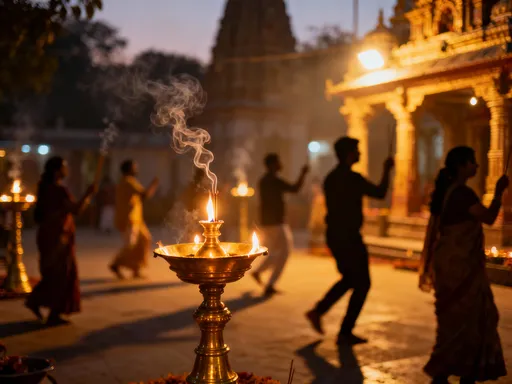
Temples in Bangalore are far more than places of worship—they are living cultural centers where art, music, community, and spirituality intersect. Among the most prominent is the ISKCON Temple on Hare Krishna Hill, a grand complex that draws thousands weekly not only for darshan but for kirtans, philosophical lectures, and vegetarian feasts. The evening aarti is a sensory experience: the synchronized ringing of bells, the scent of incense and ghee lamps, the sea of hands raised in devotion. Visitors, regardless of faith, are welcome to observe or join, making it a rare space of inclusive spiritual expression. The temple also hosts regular performances of classical dance and devotional music, reinforcing the idea that worship and art are inseparable.
Another iconic site is the Bull Temple in Basavanagudi, dedicated to Nandi, the sacred bull of Lord Shiva. Built in the 16th century, this Dravidian-style temple is central to the annual Karaga festival, one of Bangalore’s oldest and most vibrant cultural events. During Karaga, a priest balances a towering, flower-adorned pot on his head while walking barefoot through the streets, accompanied by drummers, dancers, and thousands of devotees. The ritual, rooted in local legend, transforms the neighborhood into a stage of collective memory and devotion. For visitors, witnessing Karaga is not just observing a festival—it’s stepping into a living story that has shaped the city’s identity for generations.
Smaller neighborhood temples also play a vital role in sustaining cultural practices. In areas like VV Puram and Rajajinagar, local temples host weekly bhajans, storytelling sessions, and children’s classes in Sanskrit and traditional arts. These spaces function as informal community centers, where elders pass down values and customs to younger generations. Diwali, Navaratri, and Maha Shivaratri are celebrated with elaborate rituals, street decorations, and public meals. What’s striking is the level of community involvement—residents volunteer to cook, clean, and perform, reinforcing social bonds. For the traveler, visiting these temples offers more than spiritual insight; it provides a window into the daily rhythm of Indian family life and the enduring role of faith in shaping cultural continuity.
Classical Arts in Everyday Life
Bangalore’s classical arts scene thrives not in isolation but as part of daily urban life. The city has long been a stronghold of Carnatic music, a South Indian classical tradition known for its intricate ragas and devotional depth. Weekly concerts at venues like the Chowdiah Memorial Hall—shaped like a giant violin—draw full houses of enthusiasts, from retirees to college students. These performances are often affordable or free, supported by cultural trusts and municipal funding. The atmosphere is intimate, focused, and deeply respectful, with audiences listening in silence, absorbing every note. It’s not uncommon to see children sitting cross-legged in the front rows, introduced to the art form by their grandparents.
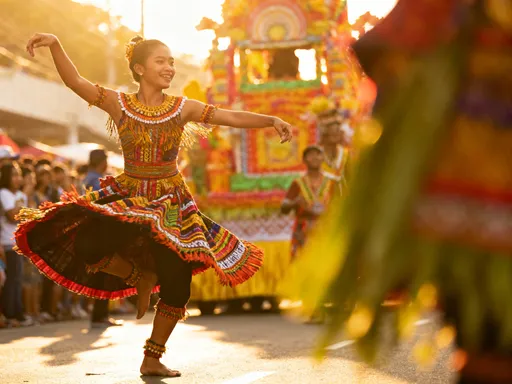
Bharatanatyam, the classical dance form originating in Tamil Nadu but widely practiced in Karnataka, also enjoys strong support. Dance academies across the city offer training to hundreds of students, culminating in annual arangetrams (debut performances) held in auditoriums and temple halls. These events are more than recitals—they are community celebrations, complete with flower garlands, family gatherings, and post-performance feasts. The dance itself, with its precise footwork, expressive gestures, and spiritual themes, serves as both artistic expression and cultural education. Many performances interpret ancient texts or mythological stories, keeping oral traditions alive in a visual, emotional format.
The Karnataka College of Percussion stands as a beacon for rhythm-based arts, offering training in mridangam, ghatam, and kanjira. Here, young musicians learn not just technique but the philosophy behind the beats—how rhythm mirrors the cycles of nature and human life. The college hosts regular public performances, often in open-air settings, inviting passersby to stop and listen. This accessibility is key to the survival of classical arts in a digital age. Unlike elite conservatories, these institutions emphasize community engagement, ensuring that art remains rooted in people’s lives rather than confined to elite circles. For visitors, attending a live performance is a chance to witness tradition in motion—disciplined, profound, and deeply moving.
Craftsmanship That Tells a Story
In an era of mass production, Bangalore remains a sanctuary for handmade artistry. Traditional crafts like Mysore silk weaving, sandalwood carving, and bidriware metalwork are not relics of the past but living practices carried forward by skilled artisans. Mysore silk, known for its soft texture and rich sheen, is still woven on handlooms in small workshops across the city. Watching a weaver at work is to witness patience and precision—each thread placed with care, each pattern emerging slowly like a story unfolding. These sarees, often worn during weddings and festivals, carry generational significance, with mothers passing them down as heirlooms.
Sandalwood carving, another Karnataka specialty, thrives in markets like Avenue Road and Commercial Street. Artisans shape fragrant blocks of wood into deities, jewelry boxes, and intricate figurines, their tools worn smooth from decades of use. The scent of sandalwood lingers in the air, a natural perfume that evokes temples and meditation. These carvings are more than decorative—they are expressions of devotion and regional identity. Many families commission custom pieces for religious ceremonies, ensuring that demand remains steady even as cheaper imitations flood the market.
Bidriware, a metal inlay craft from neighboring Bidar but popular in Bangalore, features darkened brass or silver designs on a blackened alloy base. The process is labor-intensive, involving engraving, silver inlay, and a chemical oxidation process that gives the piece its signature contrast. Local cooperatives and government-backed emporiums like Karnataka Handicrafts promote these crafts, offering fair wages and training to new artisans. For travelers, visiting these markets is not just shopping—it’s a dialogue with creators, a chance to learn the history behind each object. By purchasing directly from artisans, visitors support cultural preservation in the most tangible way: keeping hands busy, traditions alive, and families sustained.
Festivals: When the City Dances Together
Festivals in Bangalore are not performances for tourists—they are communal experiences that unite neighborhoods, generations, and traditions. The Bangalore Karaga, centered at the Sri Dharmaraya Swamy Temple, is one of the city’s most distinctive celebrations. Dating back centuries, it honors Draupadi from the Mahabharata, blending Hindu mythology with local folklore. The climax features the Karaga bearer, a male priest in women’s attire, carrying the sacred pot through crowded streets. Drummers, folk dancers, and devotees follow in a trance-like procession, their energy palpable. For women in the community, participating in the festival is an act of devotion and identity, a rare space where female divinity is central.
Ugadi, the Kannada New Year, marks the arrival of spring with homes decorated with mango leaves and rangoli patterns. Families gather to taste the symbolic Ugadi pachadi, a dish combining six flavors—sweet, sour, salty, bitter, spicy, and astringent—representing life’s complexities. Public events include poetry readings, music concerts, and traditional plays, often held in parks and community halls. Dasara, though more grandly celebrated in Mysore, is also observed in Bangalore with exhibitions, music festivals, and displays of dolls and figurines in homes—a practice known as Gombe Habba. These festivals are not just religious; they are cultural anchors, teaching values, history, and seasonal awareness through ritual and celebration.
For travelers, timing a visit around these festivals offers an unparalleled cultural immersion. Staying in heritage neighborhoods, joining local families for meals, or volunteering at event setups can deepen the experience. Unlike commercialized celebrations, these events thrive on participation, not spectatorship. The city slows down, workplaces close, and streets come alive with color and sound. It’s during these times that Bangalore reveals its heart—not as a tech hub, but as a community bound by shared stories, rhythms, and reverence for the cycles of life.
Culinary Traditions as Cultural Expression
Food in Bangalore is more than sustenance—it is memory, identity, and love made edible. The city’s cuisine reflects its agrarian roots and cultural diversity, with dishes like ragi mudde (finger millet balls), akki rotti (rice flatbread), and benne dosa (butter-laden crepes) forming the backbone of home cooking. Ragi, once a staple of rural Karnataka, is now celebrated for its health benefits, but for older generations, it represents resilience and simplicity. Eating ragi mudde with spicy saaru (lentil soup) is not just a meal—it’s a connection to ancestors who farmed the same soil.
Traditional meals are often served on banana leaves, a practice that adds aroma and eco-consciousness to dining. The sequence matters: start with salt and pickle, move to rice and curry, finish with buttermilk. This ritual, still observed in homes and temple feasts, teaches mindfulness and gratitude. Heritage restaurants like MTR and Vidyarthi Bhavan have preserved recipes for decades, with some dosa batters fermented using starter cultures passed down through generations. To eat at these establishments is to taste history—one bite at a time.
Food festivals and home dining experiences are emerging as powerful tools for cultural preservation. Initiatives like “Dinner with a Grandma” invite visitors to share meals with local families, learning recipes and stories in intimate settings. These gatherings often include cooking demonstrations, where elders teach the proper way to roast spices or knead dough. In a fast-food era, such moments are revolutionary—slowing time, valuing labor, and honoring lineage. For the 30- to 55-year-old woman, perhaps a mother or caregiver, these experiences resonate deeply, reminding her of her own kitchen, her own mother’s hands. Food becomes a bridge across geographies and generations.
Beyond the Surface: How to Connect Deeply with Local Culture
Meaningful cultural engagement in Bangalore goes beyond sightseeing. It begins with intention—choosing to observe, listen, and participate with respect. One of the most enriching experiences is attending a Carnatic music workshop, even as a beginner. Many academies welcome visitors to sit in on classes, where teachers explain ragas through emotion and season, not just notes. Learning a few lines of a bhajan or understanding the symbolism in a Bharatanatyam pose can transform passive observation into personal connection.
Joining a temple lecture or spiritual discourse offers another doorway. Organizations like the Ramakrishna Math host regular talks in English and Kannada, exploring philosophy, ethics, and meditation. These sessions are open to all, with no expectation of conversion or donation. Volunteering at a craft collective or heritage kitchen allows deeper involvement, whether helping to pack festival meals or assisting in a weaving demonstration. Such acts of service build trust and open doors to authentic relationships.
Simple gestures also matter. Learning basic Kannada phrases—“Namaskara” (hello), “Dhanyavaadagalu” (thank you)—shows respect and invites warmth. Shopping at local markets, asking artisans about their work, and choosing heritage stays over international chains all contribute to sustainable tourism. Most importantly, approaching culture with humility—not as something to consume, but to honor—ensures that the experience is reciprocal. Bangalore teaches a quiet truth: progress and tradition are not enemies. When we allow them to coexist, we create cities that are not only smart but soulful. In the end, it’s not about how much you see, but how deeply you feel. And in Bangalore, the heart beats strong.