You Won’t Believe How Alaska’s Wild Architecture Transforms Shopping
Who knew shopping in Alaska could feel like stepping into a frontier fairytale? It’s not just about souvenirs—it’s about wandering through hand-carved wooden storefronts, rustic-chic boutiques in historic log cabins, and open-air markets under snow-dusted peaks. I was stunned by how the state’s rugged architectural style—think Native influences, pioneer bones, and Arctic functionality—shapes every shopping experience. This is commerce with character, where every building tells a story before you even walk inside.
The Soul of Alaskan Design: Where Architecture Meets Adventure
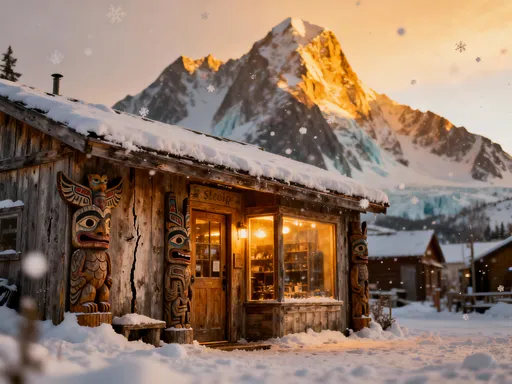
Alaska’s architecture is not designed for aesthetics alone—it is born of necessity, shaped by centuries of adaptation to one of the harshest climates on Earth. The buildings that house its shops, markets, and galleries reflect a deep dialogue between survival and identity. From the steeply pitched roofs that shed heavy snowfall to the elevated foundations that protect against permafrost thaw, every structural choice is functional. Yet, these practical features are inseparable from cultural expression. The use of reclaimed timber, corrugated steel, and hand-hewn logs speaks to a frontier ethos of resourcefulness, while decorative elements—such as carved lintels, painted totemic motifs, and brightly colored trim—pay homage to Indigenous artistry and settler resilience.
Indigenous design traditions, particularly those of the Tlingit, Haida, and Athabascan peoples, have long emphasized harmony with the environment. Structures were built using local materials and oriented to maximize warmth and shelter. These principles endure in modern Alaskan architecture, especially in small-town retail spaces. For example, many boutiques in Southeast Alaska incorporate traditional clan symbols into their façades, not as decorative afterthoughts, but as affirmations of cultural continuity. Similarly, the Gold Rush era left behind a legacy of sturdy, no-frills buildings designed to withstand extreme weather and rapid construction demands. Today, these structures have been thoughtfully repurposed into shops selling handmade jewelry, smoked salmon, and carved ivory, blending history with hospitality.
What makes Alaskan shopping architecture truly unique is its refusal to conform to standardized commercial templates. There are no strip malls with identical storefronts here. Instead, each building carries the imprint of its past—whether as a fisherman’s cabin, a trading post, or a missionary school. This authenticity transforms shopping from a transaction into an experience. Visitors don’t just buy a souvenir; they absorb the narrative of the place. The smell of cedar in a hand-built shop, the creak of a wooden floor underfoot, the way sunlight filters through a small-paned window—all contribute to a sensory journey that begins long before a purchase is made.
Anchorage: Urban Edge Meets Frontier Aesthetic
Anchorage, Alaska’s largest city, offers a compelling fusion of urban convenience and frontier charm. While it might seem like a modern metropolis at first glance, a closer look reveals a deep respect for architectural heritage, especially along the 4th Avenue Shopping District. This pedestrian-friendly corridor, lined with restored buildings from the 1930s and 1940s, serves as a living museum of Alaskan design evolution. Many of these structures were originally constructed to support the Alaska Railroad and have since been adapted for retail use without losing their historic character. Exposed beams, original brickwork, and wide wooden doors remain intact, offering shoppers a tactile connection to the past.
What sets Anchorage’s shopping scene apart is how form supports function in extreme conditions. Large, south-facing windows are a common feature in storefronts, designed to capture as much natural light as possible during the city’s long, dark winters. These windows not only improve visibility but also create a sense of warmth and invitation, countering the psychological weight of limited daylight. Some shops even incorporate skylights or interior courtyards to amplify light penetration. The result is a shopping environment that feels open and uplifting, even in January when the sun barely clears the Chugach Mountains.
The city’s commitment to preserving its architectural identity extends to its support of local artisans. Native art galleries are prominent along 4th Avenue, often housed in buildings with subtle design nods to Indigenous craftsmanship—carved door frames, totemic columns, and murals depicting traditional stories. These spaces showcase everything from intricate silver jewelry to hand-woven spruce root baskets, all displayed in settings that honor their cultural origins. By integrating art and architecture, Anchorage ensures that shopping is not just about acquisition, but about appreciation. Visitors leave not only with souvenirs, but with a deeper understanding of the people and history behind them.
Sitka’s Storybook Streets: Russian Influence, Local Craft
Sitka, nestled on Baranof Island in Southeast Alaska, feels like a page lifted from a 19th-century maritime novel. Its architectural landscape is dominated by the legacy of Russian colonization, which lasted from 1799 until the Alaska Purchase in 1867. The most iconic symbol of this era is St. Michael’s Cathedral, with its red-and-white façade and distinctive onion domes. But the Russian influence extends beyond churches into the town’s residential and commercial buildings—many of which are colorful, wooden structures with gabled roofs and ornate trim. These buildings now house small shops that offer an intimate, almost familial shopping experience.
Walking through Sitka’s compact downtown, visitors encounter boutiques nestled in historic clapboard houses, some over 150 years old. These low-rise buildings, with their wide porches and hand-painted signs, create a human-scale environment that invites browsing. Inside, the inventory reflects the island’s rich cultural tapestry: qiviut scarves made from the ultra-soft underwool of muskoxen, beaded moccasins crafted by Tlingit elders, and intricately carved wooden masks used in ceremonial dances. Each item is more than a product—it is a testament to intergenerational skill and cultural pride.
What makes shopping in Sitka so meaningful is the direct connection between the architecture and the artisans. Many shop owners are artists themselves, and their spaces are designed to reflect their heritage. A gallery might feature wall panels painted with traditional formline designs, or a storefront might include a small display of tools used in carving and weaving. These details transform the act of shopping into a form of cultural immersion. Tourists are not passive consumers; they are welcomed as guests into a living tradition. The buildings, with their preserved integrity and quiet dignity, serve as silent ambassadors of a community that values continuity over convenience.
Juneau’s Hidden Gems: Shopping in Historic Cabins and Wharf Sheds
As Alaska’s capital, Juneau is defined by its dramatic topography—wedged between steep mountains and the Gastineau Channel, the city has little room to sprawl. This geographic constraint has shaped a compact, vertically layered urban form where historic buildings are preserved out of necessity as much as sentiment. The result is a downtown core where 19th-century mining offices, fish processing sheds, and customs houses now serve as unique retail spaces. These conversions are not cosmetic; they retain the soul of their original purpose, offering shoppers a sense of stepping back in time.
One of the most distinctive shopping experiences in Juneau is found along the harbor, where former fishing shacks have been transformed into cozy boutiques. These modest structures, often no more than 200 square feet, are built on pilings and accessed by wooden walkways. Their exteriors remain weathered and unpolished, with peeling paint and hand-lettered signs that speak to a no-nonsense Alaskan ethos. Inside, however, they are warm and thoughtfully curated, selling items like hand-forged silver jewelry, wild berry preserves, and locally carved walking sticks. The contrast between the rustic exterior and the refined interior creates a sense of discovery, as if each shop is a hidden treasure waiting to be found.
Downtown, the influence of the Gold Rush era is evident in the preserved false-front buildings that line Franklin Street. Originally constructed to give the impression of grandeur in a fledgling town, these structures now house galleries and gift shops that celebrate Juneau’s dual identity as a mining town and a cultural hub. Some stores have retained original features like cast-iron columns, roll-top counters, and tin ceilings, blending historical authenticity with modern retail needs. The city’s commitment to preservation ensures that shopping here is not a generic experience, but a journey through layers of history. Every purchase supports local artists and small business owners who are deeply invested in maintaining Juneau’s unique character.
Fairbanks and the Arctic Frontier: Bold, Bright, Built to Last
Fairbanks, located in Alaska’s interior, faces some of the most extreme winter conditions in the United States, with temperatures regularly dropping below -40°F. This harsh climate has given rise to an architectural style defined by resilience and ingenuity. Buildings are constructed with thick insulation, elevated foundations to prevent heat transfer into the permafrost, and south-facing glazing to maximize solar gain. But beyond functionality, Fairbanks’ architecture embraces boldness—especially in color. In a landscape buried under snow for months, bright red, cobalt blue, and sunflower yellow exteriors serve as psychological lifelines, lifting spirits and marking presence in an otherwise monochrome world.
This spirit of resilience extends to the city’s retail spaces. Many boutiques and galleries are housed in repurposed military or railroad buildings, remnants of Fairbanks’ strategic importance during World War II and the Cold War. These structures, once utilitarian and austere, have been transformed into vibrant cultural hubs. One former barracks now serves as a collective gallery for Northern artists, displaying works inspired by the aurora borealis and the vast boreal forest. Another converted warehouse hosts a year-round artisan market, where visitors can buy hand-thrown pottery, reindeer leather gloves, and birch syrup—each item reflecting the resourcefulness of life in the Far North.
Seasonal markets in Fairbanks also showcase architectural innovation. During the winter months, geodesic domes and heated canvas tents are erected in parking lots and community centers, creating temporary retail environments that are both functional and festive. These structures, often illuminated from within, glow like lanterns against the night sky, drawing people in from the cold. Inside, the air is warm and filled with the scent of bannock and spiced tea. These markets are more than shopping destinations—they are social sanctuaries, where locals and visitors gather to share stories, support small makers, and celebrate the endurance of community in the face of isolation.
Off-the-Beaten-Path Markets: Architecture as Experience
Beyond Alaska’s major towns, the retail experience becomes even more intimate and authentic. In remote villages accessible only by boat or small plane, seasonal markets and roadside stands operate out of converted trapper cabins, schoolhouses, or community halls. These spaces are not designed for mass tourism; they exist to serve local needs while welcoming curious travelers. The architecture of these temporary shops is often handmade, using whatever materials are available—driftwood, salvaged metal, even animal hides. Support beams may be carved with clan symbols, and entrances might be lined with fur or wool to block the wind, blending utility with cultural expression.
One such example can be found in the Yukon River village of Eagle, where a summer market operates out of a restored 1890s trading post. The building, with its steep roof and wide-plank siding, stands as a testament to frontier endurance. Inside, tables are arranged with locally made crafts: beaded earrings, carved antler knives, and hand-knit sweaters. There is no cash register—transactions are handled with cash or barter, reinforcing a sense of community exchange. The lack of commercial polish is not a drawback; it is the essence of the experience. Shoppers are not just buying goods; they are participating in a tradition of mutual support and cultural preservation.
Even along Alaska’s vast highways, such as the Denali Highway or the Steese Highway, travelers encounter roadside stands built into old trapper cabins or repurposed school buses. These micro-shops sell everything from fresh-baked pies to moose antler bookends, each item accompanied by a handwritten note about its origin. The architecture of these stands—often adorned with hand-painted signs and weathered shingles—adds to their charm. They are not hidden; they are proudly visible, markers of human presence in a vast and untamed landscape. For many visitors, these spontaneous stops become the most memorable part of their journey, offering a genuine connection to the people and places of rural Alaska.
Why This Matters: Shopping That Honors Place and People
In a world of globalized commerce, where shopping malls and chain stores offer identical experiences from Bangkok to Buenos Aires, Alaska stands apart. Its retail architecture is not a backdrop—it is a central character in the story of every purchase. To shop in Alaska is to engage with a place where buildings are not merely containers for goods, but vessels of memory, identity, and resilience. Each log cabin, painted storefront, and repurposed shed carries the weight of history and the warmth of human intention.
This architectural authenticity transforms the act of shopping into something deeper than consumption. It becomes a form of cultural exchange, a way to honor the artisans, builders, and communities who have shaped these spaces over generations. When a visitor buys a beaded necklace in a Sitka gallery or a jar of fireweed honey in a Fairbanks market, they are not just acquiring an object—they are carrying a piece of a story, a fragment of a way of life that values sustainability, craftsmanship, and connection to the land.
Alaska’s approach to retail design also offers a powerful model for sustainable tourism. By preserving historic structures and supporting local makers, communities ensure that economic benefits stay within the region. This model resists the homogenization that often accompanies mass tourism, instead offering travelers a chance to experience authenticity on its own terms. There are no artificial recreations here, no themed attractions pretending to be something they are not. What you see is what has endured.
For the thoughtful traveler—especially one who values meaning over merchandise—Alaska’s shopping architecture invites a shift in perspective. It asks us to look beyond the product and see the hands that made it, the land that inspired it, and the building that shelters it. It reminds us that commerce can be a force for cultural preservation, not just economic gain. In a quiet cabin on the edge of the tundra, or a brightly painted shop in a coastal village, we find a truth that resonates far beyond Alaska: that the most meaningful experiences are those rooted in place, built with care, and shared with pride.