What Nobody Tells You About Public Spaces in Koh Lipe
You know that dreamy island vibe you picture when you think of Thailand? Koh Lipe delivers — but not without surprises. I went expecting postcard-perfect beaches and chill island energy, and while I got that, the reality of shared spaces hit hard. From overcrowded walkways to zero privacy on public shores, the island’s charm comes with serious trade-offs. This is a real talk about what traveling here *actually* feels like when you’re navigating crowded zones others don’t warn you about. What looks like untouched paradise in photos often hides a more complex truth — one of limited space, high demand, and the quiet tension between tourism and livability. Understanding this balance is key to enjoying your visit while respecting the island’s fragile ecosystem and community life.
First Impressions: The Postcard vs. The People
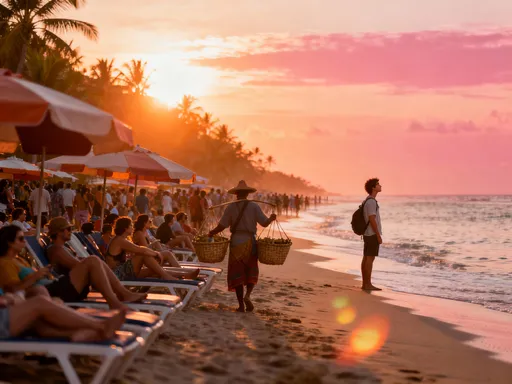
Arriving on Koh Lipe by longtail boat, the first sight is nothing short of cinematic. Turquoise water laps against powdery white sand, palm trees sway in the breeze, and wooden bungalows peek through the greenery. It’s the kind of scene that fills Instagram feeds and travel brochures. But within minutes of stepping onto the pier, the illusion of solitude begins to fade. The narrow walkway leading inland is already packed with travelers hauling luggage, vendors calling out drink specials, and guides waving name signs. The island’s total length is just four kilometers, and nearly all of it is developed along the shoreline. This compact geography means every public area — from beaches to pathways — is under constant use.
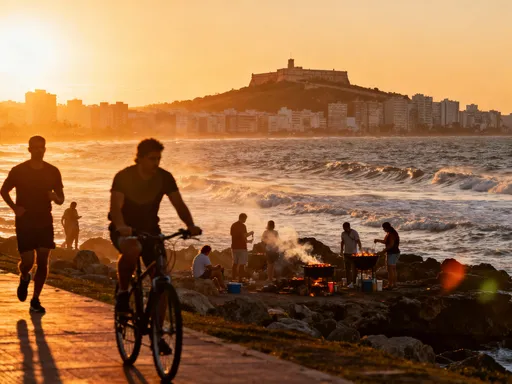
Pattaya Beach, the island’s main tourist hub, serves as both a swimming zone and a transportation artery. Boats dock here hourly, unloading groups of day-trippers who flood the sand before heading inland. Sunrise Beach, quieter in name, sees early-morning activity from dive operators setting up gear and restaurants arranging chairs. Walking Street, the central spine connecting the two, functions as a marketplace, social corridor, and pedestrian thoroughfare all at once. The overlap of functions creates unavoidable congestion. During peak season, from December to March, the island’s population swells from around 1,000 residents to over 5,000 visitors daily. This surge strains every shared space, turning what should be leisurely strolls into slow-motion navigation through crowds.
The contrast between expectation and reality becomes most apparent at sunset. Travelers flock to designated viewpoints, only to find them already occupied by tour groups or blocked by pop-up food stalls. What was imagined as a peaceful moment becomes a lesson in patience. Yet, this isn’t due to poor planning alone — it’s the natural consequence of an island that has become too popular for its own infrastructure. The beauty remains, but it now comes with a side of human density that few guides mention. Recognizing this early helps reset expectations and allows visitors to adapt rather than resist the rhythm of the place.
The Illusion of Open Space: Beaches That Aren’t Yours
One of the biggest misconceptions about Koh Lipe is that its beaches are freely accessible. While legally public, much of the shoreline operates under an unspoken commercial agreement. Sunbeds, umbrellas, and lounge chairs line nearly every stretch of sand, often placed far beyond the immediate frontage of resorts and restaurants. These setups are not always clearly marked as rental-only, leading to confusion. A traveler may walk 200 meters down the beach only to be approached by a staff member requesting payment for using a chair they assumed was communal. Even sitting on the bare sand can draw attention if it’s near a business’s claimed territory.
This blurring of boundaries turns what should be open space into semi-private zones. On Pattaya Beach, for example, only a narrow strip between high tide and the tree line remains truly public. The rest is occupied by dining areas, massage huts, and vendor carts selling souvenirs or snorkeling gear. The result is a fragmented experience where relaxation requires negotiation. Midday visits are especially challenging; finding an empty patch of sand often means walking to the far ends of the beach or settling for spots near trash bins and utility sheds. The sense of escape fades when every inch feels monetized.
Personal experience confirms this tension. During a visit in February, I attempted to settle on Sunrise Beach with a book and water bottle. Within minutes, a vendor approached offering snorkel rentals. When I declined, another came by with fruit skewers. A third asked if I wanted a beachside massage. None were aggressive, but the frequency disrupted any chance of quiet. Even moving further down the shore didn’t help — the next section was blocked off for a private event. The takeaway is clear: true solitude on Koh Lipe’s main beaches is rare. Instead, the experience becomes one of coexistence with the island’s economy, where leisure and commerce are deeply intertwined.
Walking Street: A Social Hub or Sensory Overload?
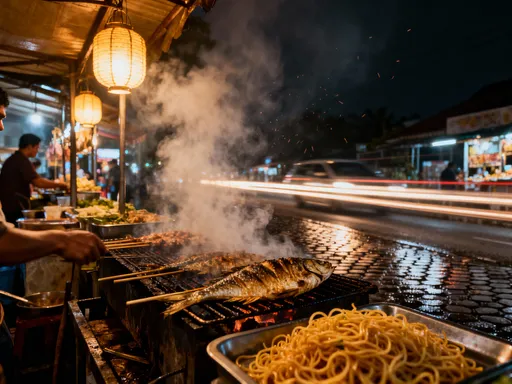
Walking Street is the beating heart of Koh Lipe’s public life. By day, it’s a practical route connecting accommodations, dive shops, and convenience stores. By night, it transforms into a bustling pedestrian zone filled with music, food aromas, and crowds. The street is barely three meters wide in most sections, yet it must accommodate foot traffic, vendor displays, and outdoor seating for dozens of restaurants. During evening hours, the flow becomes a slow shuffle. Families with children, couples on vacation, and solo travelers all converge, creating a sensory experience that can feel exhilarating or exhausting depending on your tolerance for stimulation.
The lack of formal zoning exacerbates the chaos. There are no designated vendor areas or timed access rules. Instead, businesses extend their footprint as needed — tables spill onto the path, grills occupy sidewalk corners, and speakers blast music without volume limits. While this contributes to the island’s lively atmosphere, it also raises concerns about accessibility. Wheelchair users or those with mobility issues face significant challenges navigating the uneven, cluttered pavement. Parents with strollers often have to backtrack or squeeze through narrow gaps. The absence of clear regulations means comfort is sacrificed for convenience, with little regard for inclusive design.
Still, Walking Street serves a vital function. It’s where locals and tourists interact, where information is exchanged, and where the island’s economy thrives. The energy is undeniably part of Koh Lipe’s charm. But the current model is unsustainable at scale. Without better urban planning — such as rotating vendor permits, timed closures, or widened pathways — the street risks becoming more obstacle course than gathering place. For now, visitors must learn to move with the rhythm of the crowd, choosing off-peak hours if they seek ease of movement. Early mornings offer a glimpse of the street’s quieter potential, when shopkeepers sweep their fronts and the air carries only the sound of waves.
Sanitation and Sustainability in Shared Zones
With high foot traffic comes inevitable waste, and Koh Lipe’s public spaces show the strain. Trash bins are sparse and often overflow by midday, especially near ferry docks and food zones. Recycling is inconsistently practiced; while some eco-conscious resorts and cafes separate plastics and organics, most public areas lack clear sorting systems. As a result, plastic bottles, food wrappers, and disposable cutlery frequently end up in the sand or floating in shallow water. The problem is compounded by day-trippers who bring single-use items and leave them behind, assuming someone else will clean up.
Environmental pressure is visible in multiple ways. Unregulated food stalls contribute to litter with Styrofoam containers and plastic bags. Longtail boats, while essential for transport, often dump waste directly into the sea. Coral reefs near popular snorkeling spots show signs of damage from careless anchoring and sunscreen pollution. Even basic infrastructure like restrooms is limited, leading some visitors to relieve themselves in secluded areas, which affects water quality. These issues are not unique to Koh Lipe, but the island’s small size magnifies their impact. A single kilometer of beach can receive thousands of visitors in a day, making waste management a constant uphill battle.
Local initiatives are working to counter the trend. Community clean-up days are organized monthly, often led by eco-hostels and dive schools. Some businesses have switched to biodegradable packaging and offer discounts for bringing reusable bottles. A few forward-thinking resorts fund beach patrols to collect debris before high tide. However, these efforts remain fragmented. Public compliance is low, with many tourists unaware of or indifferent to the consequences of their actions. Education is improving, but it’s not yet widespread. The reality is that sustainability on Koh Lipe depends not just on local action, but on visitor responsibility. Simple choices — carrying a reusable bag, avoiding plastic straws, disposing of waste properly — can collectively make a difference.
Privacy vs. Community: The Cultural Clash in Public Use
One of the less-discussed aspects of Koh Lipe’s public spaces is the cultural mismatch in expectations. Many Western travelers arrive seeking tranquility — a quiet beach, a private moment at sunset, a place to disconnect. But Thai culture, especially in small island communities, views public areas as communal spaces for gathering, celebration, and social connection. This difference plays out in daily life. Families often occupy large sections of beach for picnics, extending into the evening with music and laughter. Group activities, from beach volleyball to impromptu dances, are common. Bars on Walking Street keep music playing late, sometimes past midnight, with little regard for nearby accommodations.
These behaviors are not meant to be disruptive — they reflect a different relationship with shared environments. In Thai tradition, public spaces are for interaction, not isolation. Yet for visitors accustomed to designated quiet zones or noise ordinances, the experience can feel intrusive. The absence of regulated hours or designated silent areas means there’s no official buffer between celebration and solitude. A mother trying to soothe her child to sleep in a beachfront bungalow may be kept awake by distant basslines. A solo traveler reading under a palm tree might be interrupted by a loud game of frisbee.
Resolving this tension requires mutual understanding. Rather than viewing local customs as inconveniences, visitors can see them as part of the island’s authentic character. At the same time, there’s room for compromise. Some resorts have begun designating quiet beaches or offering soundproof rooms. A few community leaders have proposed time-limited music policies, though enforcement remains a challenge. The goal isn’t to eliminate social life, but to create balance. By respecting both the need for community and the desire for peace, Koh Lipe can preserve its warmth without sacrificing comfort.
Seasonal Swings: How Crowds Reshape Public Access
Koh Lipe’s public spaces undergo dramatic transformations between seasons. From May to October, during the low season, the island breathes. Rainy weather keeps visitor numbers low, and the pace of life slows. Beaches are spacious, Walking Street is easy to navigate, and restaurants have empty tables. This is when locals reclaim their environment — children play on the sand, fishermen mend nets, and shop owners chat over coffee. The island feels like a community, not a destination.
But from December to March, everything changes. Favorable weather and holiday travel drive a massive influx. Ferry traffic doubles, with multiple boats arriving daily from Satun and nearby islands. Accommodation occupancy rates climb above 90 percent, and pop-up markets spring up overnight. Temporary structures — from bamboo bars to inflatable pools — encroach on open areas, reducing available space. The population surge means that every public function is amplified. More people mean more waste, more noise, and more competition for beachfront real estate.
The impact is measurable. During peak months, the average walking speed on Walking Street drops by nearly 40 percent due to congestion. Beach access points become bottlenecks, with queues forming at popular snorkeling launch spots. Even basic services like ATMs and Wi-Fi hotspots experience strain. The island’s infrastructure, designed for a smaller scale, struggles to keep up. While tourism brings essential income, the seasonal imbalance creates wear and tear that lasts year-round. Erosion, litter accumulation, and coral damage from overcrowding require ongoing restoration. Sustainable tourism isn’t just about environmental care — it’s about managing timing, volume, and access to prevent burnout of both the land and its people.
Smart Navigation: How to Use Public Spaces Without Losing Your Mind
Despite the challenges, it is possible to enjoy Koh Lipe’s public spaces mindfully. The key lies in timing, awareness, and respect. Early mornings offer the best chance for peace. Arriving at Pattaya Beach by 7 a.m. means empty sand, calm waters, and a chance to swim without crowds. Similarly, Walking Street is easiest to navigate before 9 a.m., when vendors are still setting up and tourists are having breakfast. Late evenings, after 9 p.m., also provide relief as energy levels drop and music volumes decrease.
Seeking out less commercialized areas can make a big difference. The northern and southern tips of the island see fewer visitors, offering more natural beachfront and quieter swimming spots. Kayaking or snorkeling tours often lead to secluded coves that feel worlds away from the main hubs. Local knowledge is invaluable — chatting with dive instructors or guesthouse staff can reveal hidden gems. Some will point to a quiet stretch behind a reef, or a shaded spot under coconut trees where few tourists venture.
Respectful behavior enhances the experience for everyone. Supporting eco-conscious businesses, avoiding blocked pathways, and carrying reusable items reduce your footprint. Simple gestures — like moving chairs back after use or not leaving trash under sunbeds — go a long way. Most importantly, adjusting your mindset helps. Instead of resisting the shared nature of the island, embrace it as part of the culture. Public spaces on Koh Lipe are not meant to be private retreats, but living, breathing parts of community life. When viewed this way, the noise, the crowds, and the occasional inconvenience become not flaws, but features of a place that thrives on connection.
Advocacy also has a role. Travelers can support petitions for better waste management, donate to local clean-up efforts, or choose accommodations with sustainability certifications. By voting with their spending and behavior, visitors help shape the island’s future. The goal isn’t perfection, but progress — a balance where beauty and usability coexist.
Koh Lipe’s public spaces aren’t broken — they’re overwhelmed by success. The island’s beauty draws people in, but without thoughtful management, the very places that make it special risk being lost to congestion and clutter. Travelers can’t fix infrastructure, but awareness changes behavior. By understanding the pressures on these shared zones, we can enjoy them more mindfully — and help preserve the island’s soul for those who come next.