Tired of Losing Touch with Old Friends? This Weekend Ritual Keeps Us Close—Effortlessly
We’ve all been there—scrolling through contacts, seeing a familiar name, and realizing it’s been years. Life gets busy, and even the closest friendships fade without effort. But what if reconnecting didn’t feel like a chore? This past weekend, I rediscovered an old friend not through a random text, but through a simple mind map that brought back shared dreams, inside jokes, and plans we once made. It wasn’t just nostalgia—it was a meaningful conversation sparked by one glance at our past. That single file, tucked away in my digital notes, did more than jog my memory. It reopened a door I didn’t realize had quietly closed. And the best part? It took less than five minutes to send. That small act reminded me that staying close doesn’t always take big gestures—sometimes, it just takes the right tool, used with intention.
The Weekend That Changed How I Stay Connected
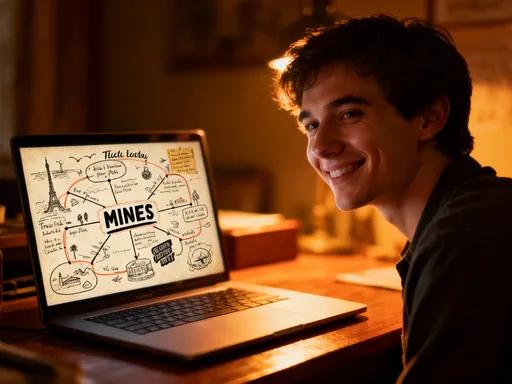
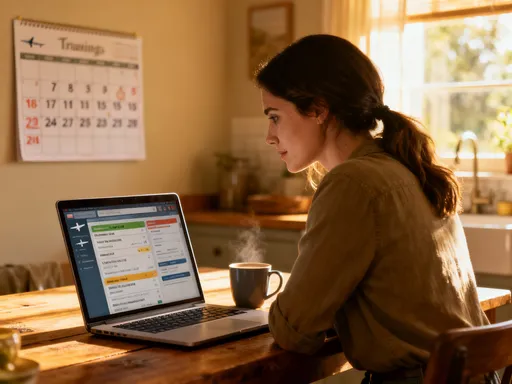
It started like any other Saturday—quiet, slow, and full of coffee. I wasn’t chasing productivity or checking off to-dos. Instead, I was browsing through old digital files, cleaning up folders I hadn’t touched in years. And then I saw it: a mind map titled ‘Dream Projects 2016’ with my name and Sarah’s linked together in the corner. Sarah and I were inseparable in our late twenties. We took weekend trips, dreamed up book ideas, and planned a tiny bookstore by the sea—just for fun. Life pulled us in different directions when she moved across the country, and though we meant to stay close, we didn’t. Not really. We exchanged birthday wishes and occasional memes, but the depth was gone.
But there it was—our shared mind map, still vibrant with color-coded branches. One section was labeled ‘Travel Bucket List’ with ‘Iceland?!’ written in my messy handwriting. Another had voice notes attached—her laughing as she described wanting to write a novel about time-traveling librarians. I clicked play. Hearing her voice, even from years ago, caught me off guard. My eyes stung. I didn’t just miss her—I missed who we were together. On impulse, I opened the app, tapped ‘Share,’ and sent it to her with a note: ‘Found this today. Remember?’
Three minutes later, my phone buzzed. ‘Oh my gosh, I can’t believe you kept this!’ she wrote. Then another message: ‘I still want to go to Iceland. And I’m actually writing that novel—well, the first chapter, at least.’ We ended up texting for over an hour. Not about logistics or obligations, but about dreams—old ones and new ones. That conversation felt like slipping back into a favorite sweater: comfortable, familiar, warm. And it all began with a file I almost deleted.
Why Mind Mapping Feels More Human Than Social Media
Let’s be honest—social media doesn’t always help us feel more connected. It shows us curated snapshots: vacations, meals, milestones. But it rarely shows the messy, beautiful process of thinking. It doesn’t capture the half-baked idea scribbled at 2 a.m. or the silly dream that made us both laugh until we cried. That’s where mind maps are different. They’re not about performance. They’re about process. They show how our minds wander, connect, and create—often in chaotic, nonlinear ways. And when they’re shared, they become something intimate.
Think of it this way: a Facebook post is like a postcard—brief, polished, meant for many. A shared mind map is like a journal passed between friends—raw, personal, full of margin notes and doodles. When I sent Sarah our old map, I wasn’t showing her a highlight. I was handing her a piece of our history—unfiltered. I wasn’t saying, ‘Look how great my life is.’ I was saying, ‘Remember how we used to dream together? Remember how we used to think?’ And that’s what made the difference. It wasn’t a status update. It was an invitation.
There’s also something quietly powerful about seeing your own handwriting next to someone else’s, even digitally. It’s not just text on a screen—it’s presence. When Sarah saw her old notes, she didn’t just read them. She recognized her younger self—the version of her who believed anything was possible. And in that recognition, she found a bridge back to me. Social media tells us what people are doing. Mind maps remind us who they are—and who we were together.
How a Simple App Turned My Weekend into a Reconnection Ritual
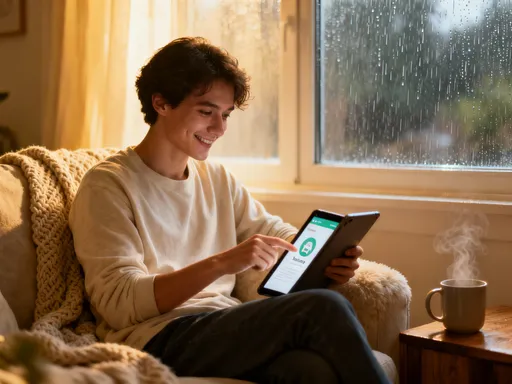
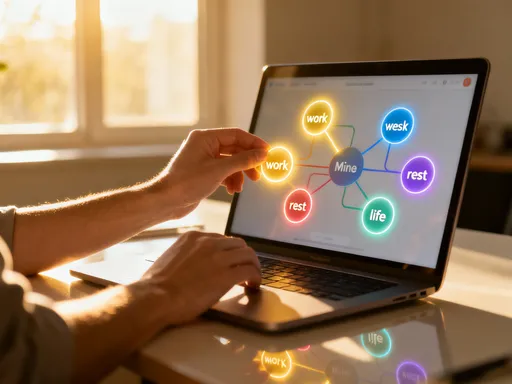
I’ll admit, I didn’t start using mind mapping apps for friendship. I downloaded one two years ago to organize a work project—a presentation with too many moving parts. But over time, I realized it wasn’t just useful for tasks. It was useful for life. The app I use—like several others—lets you create visual maps with branches, colors, icons, images, and even voice recordings. You can build a map about anything: meal planning, travel ideas, personal goals. And because it syncs across devices, I can start a map on my laptop and add to it on my phone while waiting for my daughter’s dance class.
What changed everything was when I started treating these maps not as tools for productivity, but as memory keepers. Every Sunday evening, I now spend about twenty minutes reviewing old maps. Some are solo projects—like my ‘Learn Watercolor’ map with swatches and tutorial links. Others are shared, like the ‘Backyard Garden Plan’ I made with my sister or the ‘Future Vacation Ideas’ map from my college years. When I come across one tied to someone I’ve lost touch with, I pause. I look at it. I remember. And if it feels right, I send it.
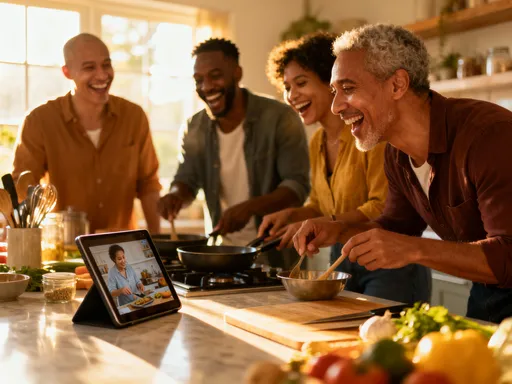
The beauty of this ritual is its simplicity. I don’t write long emails. I don’t overthink. I just share the map with a short message: ‘Saw this today. Made me smile.’ Or, ‘Remember when we wanted to open a cat café?’ The app makes it easy to export maps as images or PDFs, so they don’t feel technical or intimidating. And because there’s no algorithm pushing content or demanding attention, the gesture feels pure. It’s not a performance. It’s not a plea for response. It’s just a quiet, ‘I remember us.’ And more often than not, that’s enough to start a conversation.
From Ideas to Real Conversations: The Power of Visual Memory
Here’s something science backs up: we remember visuals better than words alone. A list of travel destinations might fade from memory, but a mind map with bold letters, doodles of volcanoes, and a tiny sketch of us in woolly hats? That sticks. That activates emotion. That’s what happened when Sarah opened the shared map. She didn’t just see ‘Iceland trip?!’—she saw the energy behind it. She remembered the night we stayed up late watching documentaries about the Northern Lights, wrapped in blankets with mugs of tea. She felt the excitement all over again.
Visuals don’t just store information—they store feeling. And when you share them, you’re not just sending data. You’re sending emotion. That’s why the conversation that followed wasn’t small talk. It wasn’t ‘How are you?’ ‘Fine, you?’ It was ‘Wait, I still want to go. What if we planned it for next spring?’ It was real. It was forward-moving. The map didn’t replace the conversation. It launched it.
And it’s not just about travel dreams. I once sent an old map called ‘Book Club Ideas’ to a friend I hadn’t spoken to in four years. It was filled with book titles we’d wanted to read, discussion questions, and a section labeled ‘Wine Pairings.’ She replied, ‘We need to start this. I’ve missed talking about books with someone who gets it.’ Two weeks later, we had our first virtual meeting with two novels, two glasses of red, and three hours of uninterrupted talk. The map didn’t create the connection—it revealed that it was still there, waiting to be reignited.
Building a Habit: How Weekly Reflections Strengthen Old Bonds
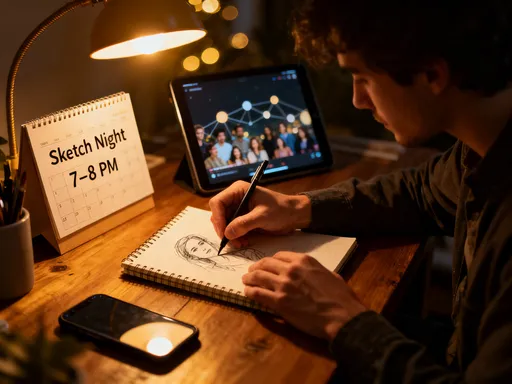
Like anything meaningful, this practice grew from repetition. At first, I only revisited old maps when I stumbled upon them. But I noticed something: those weekends when I took time to reflect, I felt more grounded. More connected—not just to people, but to myself. So I decided to make it a ritual. Every Sunday evening, after the kids are in bed and the house is quiet, I open my mind mapping app. I call it my ‘Sunday Reconnect Hour,’ though it rarely takes more than twenty minutes.
Sometimes, I just browse. I smile at old dreams. I cringe at past ambitions (‘Start a YouTube channel about baking fails’—nope, still not ready). But when I see a map tied to someone I care about, I consider sending it. Not every time. Not out of obligation. But when it feels right. And I’ve learned that timing isn’t everything—intention is. Even if the person doesn’t reply right away, or ever, I know I’ve planted a seed. I’ve said, ‘You matter. I remember what we shared.’
This habit has led to more than conversations. It’s led to plans. A map about hiking the Pacific Coast Trail with my best friend from grad school turned into a real trip we’re planning for next fall. A shared vision board for a ‘Women’s Wellness Weekend’ with three old coworkers became an actual retreat we’re hosting next June. The maps didn’t guarantee these outcomes—but they created the space for them. They reminded us that some dreams don’t die. They just wait.
Making It Your Own: A Gentle Guide to Mindful Reconnection
You don’t need to be tech-savvy or artistic to try this. You don’t need a perfect map or even a fancy app. Start small. Think of one person you’ve lost touch with—someone you’d like to reconnect with, but don’t know how to start. Then, search your digital files or old notebooks for any project, idea, or plan you once shared. It could be a travel list, a recipe collection, a dream journal, or even a doodle on a napkin you scanned years ago.
Open it. Look at it. Let yourself feel whatever comes up—laughter, nostalgia, maybe even a little sadness. Then, if you’d like, share it. You can use a mind mapping app, a note-taking tool, or even a photo of a handwritten page. Attach it to a simple message: ‘Found this today. Made me think of you.’ Or, ‘Remember when we wanted to…?’ No pressure. No expectation. Just a gentle nudge from the past.
The goal isn’t to force a relationship back to what it was. It’s to honor what existed and see what might still grow. Some people may not respond—and that’s okay. But others will. And when they do, you might be surprised by how quickly the connection returns. One friend told me, ‘I thought you’d forgotten about me.’ I replied, ‘How could I? You’re in my maps.’
Technology That Cares: When Tools Serve Our Humanity
In a world full of pings, pop-ups, and endless scrolling, it’s easy to think of technology as the enemy of real connection. But what if it could be the opposite? What if our devices, when used with care, could help us remember what matters? That’s what this practice has taught me. A mind mapping app wasn’t designed for friendship. It wasn’t built to revive old bonds or spark heartfelt conversations. But when we repurpose tools with intention, they can do exactly that.
Technology doesn’t have to be cold. It doesn’t have to be transactional. It can be tender. It can hold our memories, reflect our dreams, and quietly say, ‘This mattered.’ And sometimes, that’s all it takes to reopen a door. We don’t need grand reunions or dramatic apologies. We just need a reminder—yours or mine—that we were once close. That we built something together. That we can still laugh about the same silly ideas.
What I love most about this ritual is how effortless it feels. It doesn’t add to my to-do list. It doesn’t drain my energy. It gives back. Each time I send a map, I don’t just reconnect with someone else. I reconnect with a part of myself—the version who dreamed bigger, laughed louder, and believed in ‘someday.’ And in a busy life filled with responsibilities, that’s a gift.
So if you’ve been wondering how to reach out—if you’ve been holding back because it feels awkward or too late—try this. Find one old idea. Share it. Let the tech do the quiet work. Let your heart do the rest. Because connection isn’t always about new messages. Sometimes, it’s about rediscovering the ones we already made. And in that rediscovery, we don’t just remember our friends. We remember ourselves—and the life we’ve always wanted to live, together.