After 300 family dinners, this smart setup finally made me enjoy meal prep again
Remember the days when dinner felt like a warm family ritual, not a stressful chore? I used to dread the nightly scramble—cooking, cleaning, juggling schedules. Then I slowly brought smart tech into our dining space, not for show, but to make life smoother. It didn’t replace the heart of our home; it protected it. Now, dinner feels lighter, more present, and honestly, more joyful. Let me show you how small changes made a big difference.
The Breaking Point: When Dinner Stopped Feeling Like Home
There was a time when I looked forward to dinner. Not just the food, but the way the kitchen would fill with the smell of something simmering, the kids laughing at the table while setting the napkins, my partner walking in from work just as I put the final dish down. It felt like a pause in the day—a moment where everything slowed down and we just existed together. But over time, that feeling slipped away. What used to be comforting turned into a chore I counted down from. Monday through Friday, it was the same: rush from work, pick up the kids, wonder what to cook again, open the fridge and stare blankly, then scramble to throw something together while someone asked for snacks, someone else needed help with homework, and the dog barked for attention.
And even when we all sat down, we weren’t really there. The kids were tired, I was drained, and my partner was still checking emails. We were in the same room, but emotionally miles apart. I started dreading dinner like it was another item on a never-ending to-do list. I’d clean up afterward, hands in soapy water, wondering—is this all there is? Was family time just supposed to be this exhausting loop of cooking, eating, cleaning, repeat? I realized I wasn’t just tired of cooking—I was tired of feeling like I was failing at creating the kind of warmth I remembered from my own childhood.
That’s when I knew something had to change. Not because I wanted a futuristic kitchen, but because I wanted my family back. I wanted to feel like dinner wasn’t a battle, but a gift. And surprisingly, the first real shift didn’t come from a new recipe book or a meal prep hack. It came from technology—thoughtful, quiet, unobtrusive tech that didn’t demand attention, but gave me back time, energy, and peace. It wasn’t about replacing human care. It was about protecting it.
Redefining the Dining Space: More Than Just a Table
For years, I thought of our dining area as just a place to eat. A table, four chairs, a rug underneath, and that was it. It was functional, sure, but not really alive. Then one rainy Saturday, while my daughter colored and my son played a quiet game on a tablet, I noticed something. Even though no one was eating, they were still drawn to that space. My partner read the news there. I sipped tea and checked emails. The dog curled up under the table. It hit me—this wasn’t just a dining room. It was the quiet center of our home.
So I started thinking: what if this space could support us, not just hold us? What if it could help us breathe easier, connect more, and feel more at ease? That’s when I began reimagining the dining area—not as a passive room, but as an active partner in our daily rhythm. And that’s where smart technology, when used thoughtfully, made all the difference.
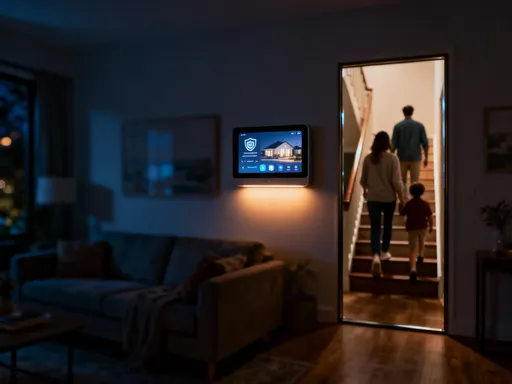
I didn’t want flashy gadgets or a sci-fi setup. I wanted things that worked quietly in the background—like a good helper who knows when to speak and when to stay silent. So I started small. First, I swapped out the harsh overhead light for a smart bulb that could shift in tone. Then I added a compact smart speaker that could play soft music or deliver gentle reminders. Later, I introduced a smart table mat that could sense spills—yes, really. None of it screamed “technology.” Instead, each addition felt like it belonged, like it had always been part of the room’s quiet rhythm.
The shift wasn’t just physical—it was emotional. The space began to feel more intentional. Lighting could shift from bright and focused during homework time to warm and cozy for dinner. Music played without anyone needing to unlock a phone. And when I walked in, the room didn’t feel empty. It felt like it was waiting for us, ready to welcome us in. That subtle change—feeling held by my own home—was the beginning of everything.
Smart Lighting That Matches Your Mood, Not Just the Hour
Lighting used to be the last thing I thought about. Flip a switch, and that was it. Bright white light all night, whether we were eating, talking, or winding down. But I started noticing how much it affected the mood. On busy weeknights, the harsh light made everything feel urgent, like we had to eat fast and move on. Even the kids seemed more restless under it. But on weekends, when we lingered over pancakes and coffee, I wished for something softer—something that made us want to stay, not rush.
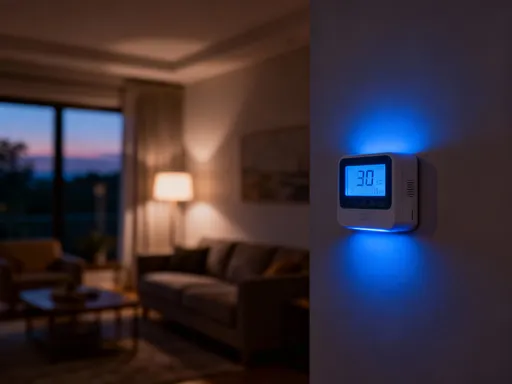
That’s when I installed smart bulbs that could adjust color temperature and brightness. I programmed them to shift automatically: cooler, brighter light in the late afternoon to help us stay alert after school and work, then a gradual transition to warm, amber tones by dinner. I didn’t have to think about it—no app, no voice command. The system learned our rhythm and adjusted quietly.
The difference was immediate. On weeknights, the warmer light didn’t erase the chaos, but it softened it. The kitchen didn’t feel like a battlefield anymore. My daughter started lingering after dinner, telling stories while coloring. My son, who used to bolt to his room, began asking to play a quick card game. Even my partner put his phone down more often. The light didn’t change our schedule—but it changed how we felt in it.
And on weekends? It was like having a cozy café at home. The soft glow made brunch feel like an event, not just another meal. I remember one Sunday morning when my parents visited. They walked in, looked around, and said, “This feels so peaceful.” No one had mentioned the lighting—but they felt it. That’s the power of smart lighting done right: it doesn’t draw attention to itself. It draws attention to us.
The Invisible Helper: Voice Assistants That Actually Help
I’ll admit—I used to think voice assistants were mostly for setting timers or playing the weather. Cute, but not life-changing. Then I started using mine differently. Instead of treating it like a gadget, I started treating it like a quiet teammate. And that small shift made all the difference.
Now, while I’m chopping vegetables, I say, “Hey, play our dinner playlist,” and within seconds, soft acoustic music fills the room. No unlocking phones, no scrolling. Or when I’m in the middle of cooking and need to check on something, I ask, “How much longer for the rice?” and it tells me without me touching a screen. It sounds small, but those little moments add up—especially when your hands are covered in flour or your toddler is tugging at your leg.
One of my favorite uses is during meal prep with the kids. My daughter is picky, and she gets anxious when she doesn’t recognize a dish. So now, while I’m cooking, I say, “Tell Lily what’s for dinner and what’s in it.” And the assistant calmly says, “Tonight we’re having cheesy broccoli pasta with whole wheat noodles and cheddar sauce. Your favorite.” Just hearing it explained in a neutral voice helps her relax. Sometimes, she even says, “Can you play my happy song when dinner’s ready?” And yes—I’ve programmed it to do exactly that.
It’s not magic. But it’s support. It gives me space to focus on cooking, on connecting, on breathing—instead of constantly switching tasks. And the kids don’t see it as a robot. They see it as part of our routine, like the table or the chairs. It’s there when we need it, quiet when we don’t. That’s what makes it work: it doesn’t take over. It just helps us be more present.
Smarter Surfaces: Tables That Respond, Not Just Hold Plates
I never thought much about our dining table—until I got one that did more than just hold plates. I was skeptical at first. Smart tables? That sounds like something from a movie. But the one I chose was simple: a wooden finish with built-in features that actually helped in real life. No flashing screens or robot arms—just thoughtful touches that made daily moments easier.
One feature I use every single day is temperature control. The table has a warming zone under the center. When I serve soup or a casserole, I place the dish there, and it stays warm for up to 45 minutes. That might not sound like much—until your youngest has a meltdown right before dinner and needs five extra minutes of calming down. Without the warming zone, that soup would be cold by the time everyone sat down. With it? Everyone eats warm food, no reheating, no stress.
Another feature is spill detection. The table has subtle sensors in the surface. If a cup tips over, it sends a quiet alert to my phone and turns on a soft light under the edge—so I know exactly where to clean, even in dim light. I used to panic about red juice on the rug. Now, I get a gentle nudge, clean it up quickly, and move on. No drama, no stain.
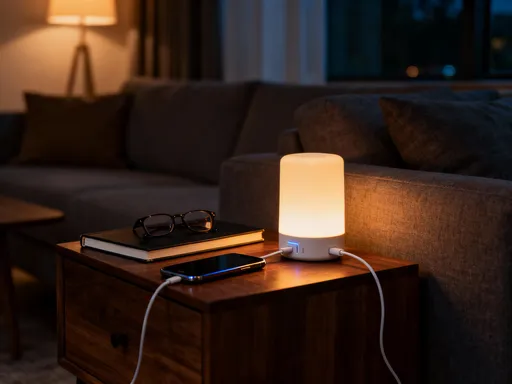
And yes, it has built-in wireless charging. Not for show—my partner always forgets to charge his phone, and now he just sets it on the table while we eat. No cords, no clutter. It’s these small things—warm food, clean spills, charged devices—that add up to less anxiety and more ease. The table doesn’t cook for me, but it supports me in ways I didn’t know I needed. And honestly? It’s made me love our dining space even more.
Meal Planning That Feels Human, Even When It’s Automated
Meal planning used to be my nemesis. Every Sunday, I’d sit down with a notebook, stare at blank lines, and feel overwhelmed. What do we eat this week? What do we have in the fridge? Who’s picky? Who has soccer? It felt like solving a puzzle with missing pieces. And if I didn’t plan, we’d end up with last-minute takeout or sad sandwiches.
Then I tried a smart meal planning app—one that learned our habits over time. I didn’t expect much. But within a few weeks, it started suggesting meals that actually made sense. It remembered that my son loves tacos on Tuesdays. It knew I prefer one-pot meals on busy nights. It even factored in grocery delivery schedules and sales at our local store.
Now, every Monday morning, I open the app and see a suggested menu—flexible, not rigid. I can swap things, add notes, or let it run the week. The app sends a shopping list to my phone, and I can order everything with a few taps. No more forgetting ingredients. No more last-minute store runs.
But the best part? It respects our moods. If I mark a day as “low energy,” it suggests simple meals—like sheet pan dinners or slow cooker recipes. If it’s a weekend, it might recommend something fun, like homemade pizza night. It doesn’t force efficiency. It supports balance. And because it learns us, it feels less like a robot and more like a thoughtful friend who knows what we need before we do.
Now, when I open the fridge, I don’t feel lost. I see ingredients that match the plan. I feel prepared. And that small sense of control? It’s been everything.
Reclaiming Connection: When Technology Gave Us Back Time at the Table
The most surprising result of all these changes wasn’t about convenience. It was about connection. I expected to save time. I didn’t expect to feel more present. But slowly, something shifted. Because I wasn’t rushing to set the table, because the music was already playing, because the food stayed warm, I found myself actually sitting down with my family.
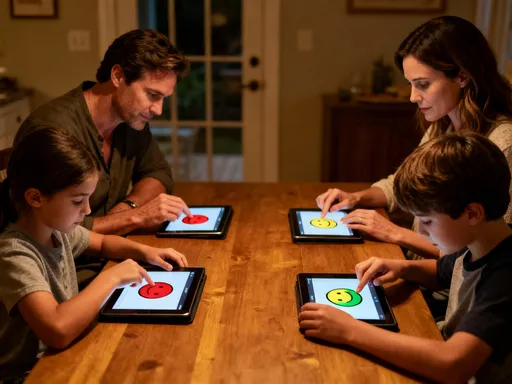
I wasn’t in the kitchen cleaning while everyone ate. I wasn’t checking my phone for timers or recipes. I was there—listening to my daughter’s story about her school project, laughing at my son’s silly jokes, sharing a look with my partner that said, this is nice. The kids started asking more questions. We talked about dreams, fears, funny memories. We even started a tradition of “rose and thorn”—sharing one good thing and one hard thing from the day.
It wasn’t perfect. Some nights were still chaotic. But the difference was in the frequency. More calm nights. More laughter. More moments where we looked around the table and thought, this is what matters. Technology didn’t create those moments—but it made space for them. By handling the small stresses, it let us focus on what we really wanted: each other.
I used to think being present meant doing everything myself. Now I see that being present sometimes means letting go—letting a little help carry the weight so I can show up fully. And that’s been the greatest gift of all.
A Smarter Home That Lets You Be More Human
Looking back, I realize I didn’t need a perfect kitchen or a flawless routine. I needed support. I needed small, thoughtful tools that understood real life—the spills, the delays, the picky eaters, the tired evenings. And smart technology, when chosen with care, became that support.
It didn’t make me a better cook. It didn’t make my kids eat their vegetables. But it gave me back something priceless: peace. The peace to breathe, to listen, to enjoy the mess and the noise and the love that comes with it. Our dinners aren’t always elegant. But they’re ours. And they’re filled with more presence, more joy, more us.
So if you’re feeling overwhelmed, if dinner feels like just another task, I want to invite you to imagine something different. Not a high-tech showpiece, but a home that quietly holds you. A table that keeps food warm. Lights that soften the edges of a long day. A voice that helps without demanding. Small things, yes—but together, they create something big: a space where you can finally exhale and say, I’m home.
You don’t need to change everything. Just one small step. One smart bulb. One helpful app. One moment where you let go and let support in. Because the goal isn’t a perfect home. It’s a human one. And sometimes, the most human thing we can do is let technology help us be more ourselves.