Tired of Guessing Your Energy Bills? This Smart Tracker Shows Exactly Where You’re Wasting Power
Living paycheck to paycheck, I used to dread opening my monthly electricity bill. One winter, it jumped by nearly 40%—with no clear reason. Was it the heater? The fridge? My kids’ endless charging of devices? I felt helpless, until I tried an energy usage monitor. Within days, I spotted the hidden culprits. Now, I don’t just save money—I see my progress, like a fitness tracker for my home. It’s not about sacrifice; it’s about awareness, control, and making smarter choices that add up. And if you’ve ever stared at your bill wondering where it all went, this is your moment to take back power—literally.
The Silent Drain: When Your Home Works Against Your Budget
Let’s be honest—most of us don’t wake up thinking about kilowatts or voltage. We just want the lights on, the fridge running, and the house warm enough that no one complains. But here’s the thing: our homes are quietly working against us, sipping energy in ways we can’t see. That coffee maker left on all morning? It’s using power. The TV on standby? Still drawing current. Even that old garage freezer humming away might be using more than your entire kitchen.
I remember one summer when my bill spiked unexpectedly. I didn’t buy new appliances. I didn’t run the AC nonstop. But there it was—$180 instead of the usual $130. I felt frustrated, even a little guilty. Was I being careless? Was I failing as a homeowner? The truth was, I had no idea what was happening behind the walls. And that uncertainty? It’s exhausting. It’s not just about the money—it’s about the peace of mind that slips away when you can’t trust your own budget.
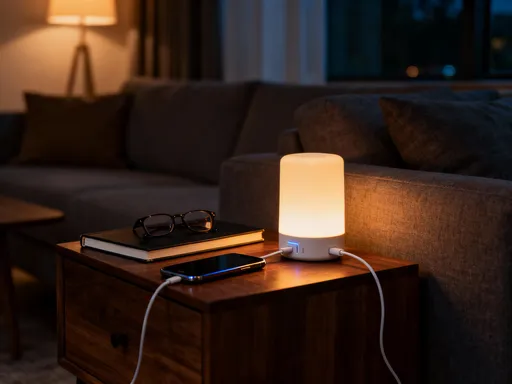
What makes this even harder is that energy waste doesn’t announce itself. There’s no alarm when your water heater runs too long. No warning light when the kids leave five devices charging overnight. It’s all invisible—until the bill arrives. And by then, it’s too late. But what if you could see it in real time? What if your home could talk to you, not in technical jargon, but in a language you understand—like showing you that the dryer used more than the oven last week? That’s where technology steps in, not to complicate your life, but to clarify it.
Meet Your Home’s New Coach: Energy Monitors That Learn With You
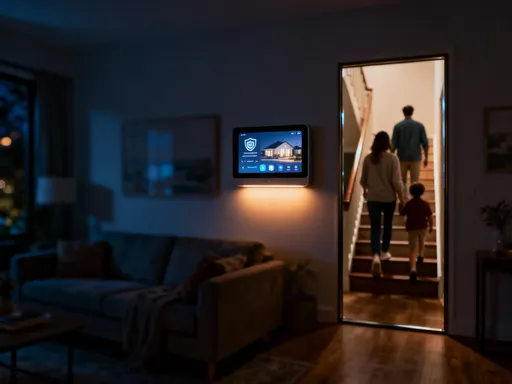
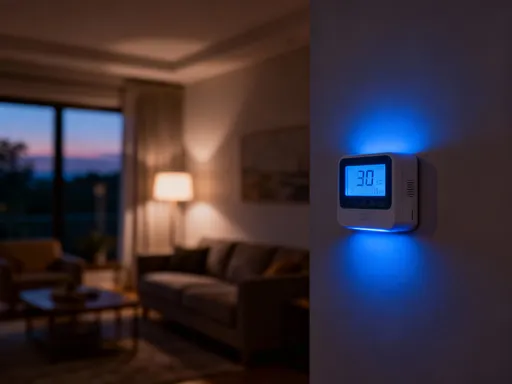
Think of an energy usage monitor as your home’s personal trainer. You wouldn’t start a fitness journey without tracking your steps or heart rate, right? So why manage your household without knowing where your energy goes? These devices aren’t clunky machines with flashing lights and confusing buttons. They’re sleek, simple tools designed for real life—like the kind of tech you’d actually want on your countertop.
Most models work by connecting to your home’s main electrical panel or plugging into individual outlets. From there, they collect data on how much power each circuit or appliance uses. But here’s the magic—they don’t just give you raw numbers. They translate that data into easy-to-read insights. You’ll see which rooms use the most energy, when your peak usage happens, and even how weather affects your consumption. Some apps will send you a gentle notification if your usage spikes—like a friendly tap on the shoulder saying, “Hey, did you mean to leave the space heater on?”
I’ll never forget the first time I installed mine. I expected something complicated—wires, manuals, maybe a call to tech support. Instead, it was done in under 20 minutes. The app connected instantly, and within hours, I had a clear picture of my home’s energy habits. It wasn’t about blame or shame. It was about understanding. And that shift—from guessing to knowing—changed everything. Suddenly, I wasn’t just living in my home. I was managing it, like a captain steering a ship instead of just riding the waves.
From Data to Action: How Tracking Changes Behavior
Here’s something surprising: just seeing your energy use can change how you behave. It’s not magic—it’s psychology. When you watch a graph spike because you turned on the oven while running the dishwasher and the AC, you start making different choices. You learn to stagger heavy-use appliances. You remember to close blinds during hot afternoons. You unplug that old printer that’s been drawing power for years without doing anything.
A friend of mine, Sarah, told me she discovered her “phantom load” was costing her nearly $30 a month. That’s energy used by devices when they’re turned off but still plugged in—like her soundbar, gaming console, and coffee maker. She didn’t realize it until her monitor showed a steady 40-watt draw overnight. After unplugging a few items and using smart power strips, her next bill dropped by 18%. She wasn’t doing anything drastic—just being aware.
This is how small changes lead to big results. It’s like keeping a food diary. You might think you eat healthy, but when you write it down, you notice the afternoon snacks adding up. Energy tracking works the same way. It’s not about perfection. It’s about progress. And when you see that progress—like watching your weekly usage trend downward—you feel motivated to keep going. It becomes a habit, not a chore. You start celebrating little wins, like turning off the lights before bed or air-drying clothes on sunny days. And those wins? They compound over time, just like savings in a bank account.
Making It Personal: Custom Goals That Fit Your Life
One of the best things about modern energy monitors is that they adapt to your life—not the other way around. You don’t have to aim for zero waste or live like you’re off the grid. You set goals that make sense for your household. Maybe you want to reduce your bill by 15% to free up money for a family vacation. Or maybe you’re working from home and want to keep your office running without straining your budget.
The app on my monitor lets me set monthly targets and sends me a weekly summary. If I’m on track, it gives me a little cheer—literally a “Great job!” message. If I’m trending high, it doesn’t scold me. It just says, “Usage is up 12% this week. Want to see where?” That kind of gentle feedback makes all the difference. It’s not about guilt. It’s about guidance.
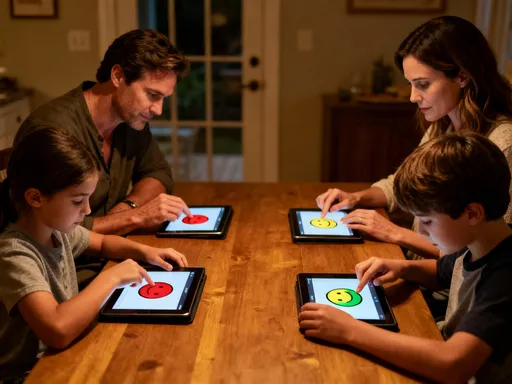
One mom I spoke with shared how she involved her kids by setting a “lights off” challenge. They’d check the app every Friday to see if they’d met their goal. When they did, they’d use the savings to pick a movie night or a small treat. She said it wasn’t just about saving energy—it was about teaching her children responsibility and showing them how small actions add up. And honestly, that’s one of the most powerful parts of this tool. It doesn’t just lower bills. It builds confidence, one mindful choice at a time.
Growing Smarter Together: Building Energy Habits as a Family
Here’s a secret: energy tracking can actually bring your family closer. Sounds strange, right? But when everyone can see the impact of their actions, it becomes a shared mission. My kids now race to turn off lights when they leave a room. Not because I nag them—but because they want to see the number drop on the app. It’s become a game, a way to contribute.
Even simple conversations have changed. Instead of “Did you leave the oven on again?” it’s “Hey, check the monitor—looks like the kitchen is using more than usual.” There’s no blame, just curiosity. And that shift in tone matters. It turns frustration into teamwork. My husband and I now plan our laundry days based on off-peak hours, not just convenience. We’ve learned that running the dishwasher at 10 p.m. instead of 6 p.m. saves us money—thanks to time-of-use pricing in our area.
What I love most is how it’s created a culture of awareness in our home. We don’t see energy as an endless resource. We see it as something valuable—like water or time. And when the kids understand that turning off the TV saves enough to buy a book or a snack, they feel proud. They’re not just following rules. They’re making choices. And that’s a skill that will serve them for life—far beyond electricity bills.
Beyond Savings: The Quiet Confidence of Being in Control
Let’s talk about something deeper than dollars and cents. When you know your energy use, you gain something priceless: control. It’s not just about cutting costs. It’s about feeling capable, prepared, and resilient. Life throws enough surprises—job changes, medical bills, car repairs. The last thing you need is your home adding to the stress.
With an energy monitor, you’re no longer at the mercy of guesswork. You can plan for seasonal changes. You know what to expect in winter when the heater runs more. You can spot a failing appliance before it becomes an emergency. I once noticed my fridge was cycling on and off more than usual. The monitor showed a spike in daily usage. I called a technician, and sure enough, the compressor was struggling. Fixing it early saved me from a full replacement—and a fridge full of spoiled food.
This sense of control spills over into other areas of life. When you master one part of your home, you feel more confident tackling others. You start asking, “What else can I understand better?” Maybe it’s your water usage, your internet speed, or your grocery spending. The monitor doesn’t just save energy. It builds a mindset—one of curiosity, intention, and empowerment. And for a busy woman juggling family, work, and self-care, that peace of mind is worth more than any discount.
Starting Small, Seeing Big: Your First Week With a Tracker
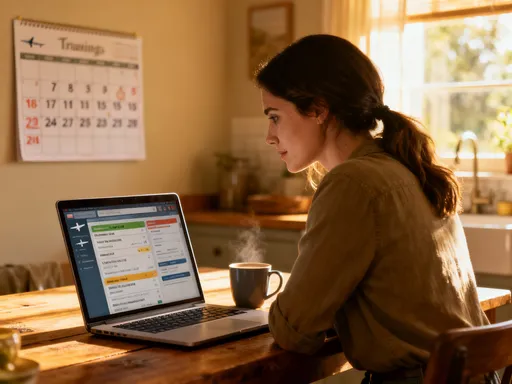
If you’re thinking about trying an energy monitor, here’s my advice: start small. Don’t try to track everything at once. Pick one appliance—maybe your AC, your water heater, or your home office setup. Plug it in, watch the data for three days, and just observe. No pressure to change anything yet. Just get familiar with how it works.
After a few days, ask yourself: what surprised me? Was the dryer using more than I thought? Did the guest room TV draw power all night? Once you see one pattern, make one change. Unplug that device. Adjust the thermostat by one degree. Run the dishwasher only when full. That’s it. One change. Then wait for the next bill and see the difference.
You don’t have to be perfect. You don’t have to become an energy expert. You just have to be aware. And that awareness? It grows. Like a plant you water every day, it starts small but becomes something strong and lasting. In a few months, you’ll look back and realize you’ve cut your bills, taught your kids valuable lessons, and taken real control of your home. And that’s not just smart tech. That’s smart living.