Tired of Feeling Unsafe at Home? How Smart Security Learned to Protect My Family
Living in a world where peace of mind feels harder to come by, I used to check the locks three times before bed. One rainy night, after forgetting my phone at a café, I realized how fragile my sense of security really was. That moment changed everything. What if your home didn’t just react—but learned to protect you? This is the story of how smart security systems quietly transformed my anxiety into calm, not with flashy tech, but by understanding our daily lives. It wasn’t about installing cameras or setting alarms. It was about finding a way to feel truly safe again—without having to be vigilant every single second.
The Night Everything Changed: When Ordinary Fear Sparked a Search for Real Security
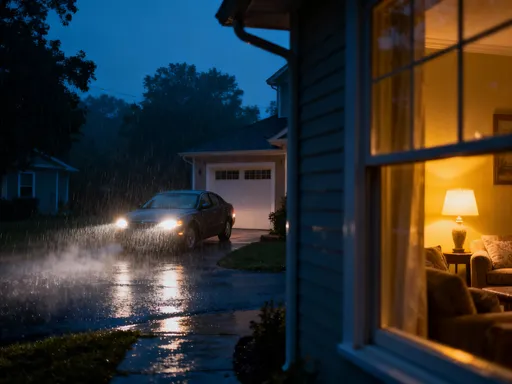
I remember standing in the kitchen, rain tapping softly against the window, and realizing my phone was gone. I had left it at a café two miles away, and it wasn’t the loss of the device that scared me—it was the sudden emptiness that followed. No way to call the kids, no way to check if the back door was locked, no way to see if everything at home was still as I’d left it. My heart started racing. I drove back in the storm, my mind spinning through worst-case scenarios. What if someone had followed me? What if they’d noticed I wasn’t home? What if they were already inside?
That night, I sat at my kitchen table, staring at the deadbolt on the door like it might suddenly fail. I had always thought locks and keys were enough. But now, they felt like theater—like a performance of safety that didn’t actually keep anyone safe. I realized I wasn’t just worried about break-ins. I was worried about not knowing. About being out of the loop. About the silence when something went wrong. That helplessness stayed with me long after I found my phone. It wasn’t until a friend mentioned her smart home system that I even considered there might be another way. Not just louder alarms or thicker doors, but something smarter—something that could watch over the house even when I couldn’t.
What I didn’t know then was that this fear—this quiet, nagging anxiety—was shared by so many of us. We want to feel safe, but we also want to live. We don’t want to spend our lives checking, double-checking, and triple-checking. We want to trust that our homes are looking out for us, the way we look out for our families. That night was the beginning of a journey not just toward better technology, but toward better peace of mind. And it started not with a gadget, but with a simple question: What if my home could learn to protect us the way I do?
From Panic to Peace: Discovering Security That Adapts to Real Life
The first time I saw a learning-based security system in action, I didn’t believe it. My friend Sarah showed me her app while we were having coffee. She tapped a button, and the screen lit up with a timeline of activity—her dog walker arriving at 10:15, the kids getting home from school at 3:22, the garage door opening at 6:07 when her husband came home. But what surprised me most was how the system knew these things without being told every day. It had learned them. It wasn’t just recording—it was recognizing.
She explained that the system used motion sensors, door contacts, and smart lighting patterns to build a picture of their daily rhythm. Over time, it started to understand what “normal” looked like. When something didn’t fit—like movement in the basement at 2 a.m.—it sent an alert. But it didn’t scream at her for walking to the kitchen at night. It knew her habits. It adapted. I remember thinking, This isn’t just security. This is awareness.
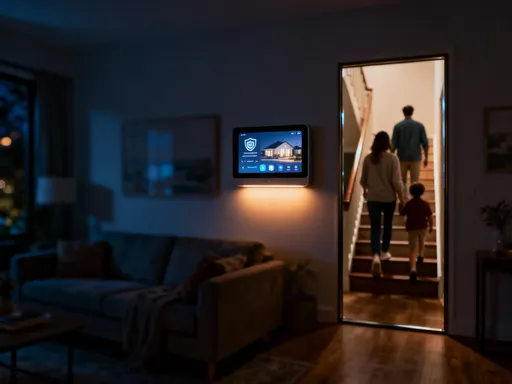
When I installed my own system a few weeks later, I expected something clunky—a maze of wires, confusing apps, and false alarms every time the cat jumped on the counter. But it was surprisingly simple. The sensors stuck to doors and windows like magnets. The hub connected to Wi-Fi in minutes. And the app? It walked me through everything. Within a day, it started learning. It noticed when I turned on the porch light at 7 p.m. It saw when the kids came home from soccer practice. And slowly, it began to respond—automatically arming at bedtime, sending me a quiet notification if the front door opened while I was cooking dinner.
What changed wasn’t just the technology. It was how I felt. I stopped checking the locks. I stopped lying awake wondering if I’d forgotten to close the garage. The system didn’t eliminate risk—that’s not its job. But it gave me something better: confidence. Not because it was perfect, but because it was paying attention. And that made all the difference.
How It Learns Without Watching: Privacy Meets Intelligence
I’ll be honest—the first time I heard “learning system,” I thought of cameras watching me all day. I imagined some faceless algorithm memorizing every move, every conversation. That’s not what this is. And once I understood how it actually works, my fear turned into relief. Modern smart security doesn’t rely on constant video surveillance. Instead, it uses patterns—anonymous, encrypted signals that say, Door opened. Motion detected. Light turned on. No faces. No sound. Just behavior.
The intelligence happens locally, right in the hub. That means your data doesn’t get sent to the cloud unless you want it to. The system learns by noticing when the same sequence happens over and over: front door at 3:30, kitchen light on, backpack dropped by the couch. After a few days, it recognizes that pattern as “kids home from school.” If the front door opens at 1:15 a.m. instead? That’s unusual. That’s worth an alert. But the system doesn’t need to watch to know. It just needs to sense.
I remember when my sister asked, “But doesn’t it feel like Big Brother?” I told her to think of it like a nightlight. It’s there when you need it, but it doesn’t demand attention. It doesn’t record your private moments. It doesn’t store video unless you set it to. And you’re in control—you decide what gets shared, who gets access, and when the system is active. I can disable the backyard sensor when the gardener comes. I can silence alerts during movie night. It’s not about surveillance. It’s about awareness—with boundaries.
And the best part? It gets smarter without getting nosy. It doesn’t care what you’re wearing or what you’re saying. It cares whether the basement window opened at a time when no one should be there. It cares if the front gate stays open too long. It cares in the ways that matter—without crossing the line. That balance—between safety and privacy—is what makes it feel like a partner, not a watcher.
“It Knew Before I Did”: When the System Prevented a Real Break-in Attempt
It was a Tuesday. I was helping my daughter with homework when my phone buzzed. Not a text. Not a call. A security alert: “Unusual motion detected—backyard.” I paused. The dog was inside. The kids were with me. No one was supposed to be out there. I opened the app and pulled up the camera feed. There, near the patio door, was a shadow moving slowly. Not an animal. Too tall. Too deliberate.
My hands went cold. I tapped the emergency button, and within seconds, a message went to my husband, my neighbor, and the monitoring service. The system didn’t just show me what was happening—it took action. It turned on the backyard floodlight automatically. It triggered a voice warning: “This property is under surveillance. Please leave immediately.” And then, quietly, it called for help.
Police arrived in seven minutes. The person was gone, but they found footprints near the door, scratch marks on the lock. Later, the officer told us this wasn’t random. They’d been watching the house. Waiting for a moment when no one was home. But the system had broken their plan. Because it knew what “normal” looked like—and this wasn’t it.
What struck me most wasn’t the scare. It was the calm that followed. I didn’t feel violated. I didn’t feel helpless. I felt protected. Not by a lock, not by an alarm, but by something that had been quietly watching over us—learning our rhythms, respecting our privacy, and stepping in when it mattered. It wasn’t perfect. It didn’t catch the person. But it stopped what could have been much worse. And for the first time, I realized: this wasn’t just a tool. It was a guardian. One that didn’t need me to be awake, alert, or even present to do its job.
More Than Locks: How Security Became a Tool for Family Connection
One of the sweetest surprises has been how this system brought us closer, not further apart. I have my mom living in the guest house now, and I worry about her—especially at night. With a simple camera and motion sensor near her door, I can see when she gets up for water or walks to the garden in the morning. No video. Just a notification: “Motion detected—guest house.” It’s not about watching her. It’s about knowing she’s okay.
My kids love it too. They’ll wave at the doorbell camera when they come home, knowing I can see them. Sometimes I’ll say, “Hey, did you bring your jacket?” through the two-way talk feature. They roll their eyes, but they smile. It’s become part of our rhythm. And when my husband travels, he can check in too—see the dog curled up on the couch, hear the kids laughing in the kitchen. It’s not surveillance. It’s connection.
We also share access with our babysitter and housekeeper. No more hiding keys under the mat. No more worrying about lost copies. We can give temporary access—set it to work only on Tuesdays and Thursdays from 9 to 3. And when they leave, the system confirms the door locked behind them. It’s not just about control. It’s about trust. It lets us invite help into our lives without giving up safety.
What I didn’t expect was how much this would ease my mind about caregiving. When my nephew stayed with us during his recovery, the system helped me monitor his room at night—just enough to know he wasn’t struggling, without hovering. It gave him dignity and gave me peace. That balance—between care and independence—is something I value more every day. This system didn’t just make us safer. It made us more present. More connected. More like a family.
Setting It Up Without Stress: A Beginner-Friendly Journey
I’ll admit, I almost didn’t do it because I thought it would be too hard. I’m not a tech person. I still use a landline for calls. But setting up the system was easier than installing a baby monitor. The company sent clear instructions, and the app guided me step by step. I started small—just the front and back doors, the garage, and the living room motion sensor. That was enough to begin learning.
The key was starting simple. You don’t need every sensor on day one. Pick the entry points that matter most. Stick the sensors where doors and windows meet. Connect the hub to your router. Download the app. Let it run for a few days. Watch how it learns. Then, add more—like indoor cameras or smart locks—only when you’re ready.
One tip: label everything. I put tiny stickers on each sensor with its name—“Front Door,” “Garage,” “Mom’s Room.” It helped when I was adjusting settings. And don’t skip the test mode. Spend a day triggering the system on purpose—open doors, walk through rooms—so it learns your real patterns, not just guesses. You’ll get fewer false alerts that way.
Another thing that helped? Talking to customer support early. They walked me through privacy settings, showed me how to silence alerts during family gatherings, and helped me set up emergency contacts. It wasn’t technical. It was human. And that made all the difference. This isn’t about being a genius. It’s about being thoughtful. You don’t have to do it all at once. You just have to start.
Smarter Living, One Lesson at a Time: The Quiet Confidence That Stays
It’s been over a year now, and the change in me is real. I sleep deeper. I laugh more. I don’t jump at every creak in the house. The system hasn’t just protected us—it’s freed us. I can focus on cooking dinner instead of worrying about the back gate. I can take a long bath without checking my phone every five minutes. I can trust that if something’s wrong, I’ll know.
But it’s not just about what it does. It’s about what it doesn’t make me do. I don’t have to be the only watcher anymore. I don’t have to carry the weight of safety all by myself. The system shares that load. It learns, adapts, and grows with us. When we changed our bedtime, it adjusted. When the kids started staying out later, it updated its routine. It’s not rigid. It’s responsive.
And that’s the real gift—this quiet confidence that stays. It’s not loud. It doesn’t flash or scream. It’s in the way I walk into the house and know everything’s okay. It’s in the way I can say, “Go ahead, leave your window cracked,” without anxiety. It’s in the way my daughter now feels safe walking home at dusk because she knows the porch light will turn on as she approaches.
This isn’t about replacing human care. It’s about supporting it. It’s about building a home that cares back. And that kind of peace? It doesn’t come from fear. It comes from trust. Trust in the system. Trust in the process. Trust in the idea that safety can be gentle, smart, and always learning.
Security That Grows With You—Because Peace of Mind Shouldn’t Be Static
Looking back, I realize I wasn’t just afraid of break-ins. I was afraid of losing control. Of not being enough. Of missing the one moment that mattered. But true security isn’t about control. It’s about calm. It’s about knowing that even when you’re not watching, someone—or something—is.
A learning security system isn’t magic. It won’t stop every threat. But it brings something rare: consistency. Awareness. Presence. It learns your life not to change it, but to protect it. It sees your routines not to judge them, but to honor them. And when something’s off, it speaks up—quietly, clearly, without panic.
For me, this journey wasn’t about buying a gadget. It was about reclaiming peace. It was about letting go of fear and embracing a smarter way to live. And the most beautiful part? It keeps getting better. As our lives change, it changes too. New schedules, new family members, new routines—it adapts. It grows. Just like we do.
If you’ve ever stood at the door, hand on the knob, wondering if you locked it… if you’ve ever woken up in the middle of the night to check the windows… if you’ve ever felt that knot in your stomach when you’re away from home—know this: you don’t have to live that way. There’s a quieter, smarter way. Not with more locks. Not with louder alarms. But with a system that learns. That understands. That protects without intrusion.
This is what modern safety feels like. Not fear. Not noise. Not complexity. Just calm. Deep, lasting, and always with you. Because peace of mind shouldn’t be something you chase. It should be something that stays.