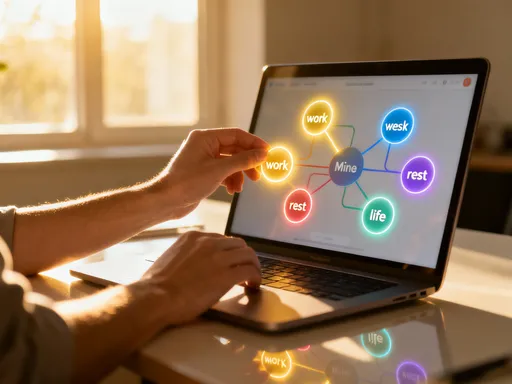
Tired of Learning Alone? How Video Tutorials Brought My Community Together
Ever feel like online learning is just… lonely? You’re not alone. I used to binge video tutorials in silence, absorbing skills but missing connection. Then I discovered something powerful: these platforms aren’t just for self-study—they can spark real community. With simple, practical steps, I turned passive watching into shared growth. Now, friends gather, skills spread, and confidence grows—all rooted in videos we watch together. Let me show you how.
The Quiet Struggle Behind the Screen
Have you ever followed a cooking tutorial at 10 p.m., standing alone in your kitchen, slightly discouraged because your sauce didn’t look like the one on screen? Or tried to fix a leaky faucet while your phone balanced on a towel, rewinding the same 15 seconds over and over? I have. And I realized it wasn’t just about getting the technique right—it was about how quiet it all felt. We’re surrounded by more knowledge than ever before, yet so much of it is consumed in silence, in isolation. We click “play,” but no one’s there to say, “Wait, go back—I missed that step!” or “You’re doing great!”
That loneliness sneaks up on you. You start wondering: Is this how learning is supposed to feel? Like a race you’re running by yourself, with no one to cheer you on? I remember trying a beginner yoga series online. I’d roll out my mat in the living room after the kids went to bed, dim the lights, and follow along. But when I finally held a pose I’d struggled with for weeks, there was no one to notice. No one said, “Look at you go!” That moment of pride just floated into the quiet of the room and disappeared.
And it wasn’t just me. I started talking to friends—other moms, neighbors, even my sister across the country—and they felt it too. My neighbor Linda confessed she’d given up on a gardening tutorial because she didn’t know whether her seedlings were supposed to look that spindly. My cousin tried a budgeting video but got confused halfway and didn’t know who to ask. Our kids weren’t immune either—my daughter once cried over a math lesson video because she didn’t understand a step and didn’t want to bother her teacher again. We were all plugged in, but emotionally disconnected. We had access to everything, but no one to experience it with.
That’s when I began to wonder: what if we stopped thinking of video tutorials as solo missions? What if, instead of closing the door to learn, we opened it a little? What if the screen wasn’t a barrier, but a bridge?
From Passive Viewer to Active Connector
The shift didn’t happen because I found a new app or bought fancy equipment. It started with a simple change in mindset. I stopped asking, “What can I learn today?” and started asking, “Who can I learn with?” That tiny shift changed everything. Suddenly, every video wasn’t just a lesson—it was an invitation. I began scanning the tutorials I loved and asking myself: Could someone else enjoy this too? Could we do this together?
One Saturday morning, I was watching a bread-baking video—nothing fancy, just a no-knead recipe. My daughter wandered in, curious. Instead of saying, “Not now, I’m learning,” I said, “Hey, want to try this with me?” We pulled out the flour, followed the steps, and yes, our loaf came out a little lopsided. But we laughed. We took a photo. And for the first time, the learning moment wasn’t swallowed by silence—it was filled with chatter, with questions, with joy. That afternoon, I texted a few friends: “Next weekend, bread-making party at my place. We’re following a video. Bring your mess!” Two said yes. Then three. Then four.
It wasn’t about perfection. It was about presence. I realized some tutorials are naturally social. Cooking, obviously. But also things like simple home workouts, basic sewing, plant care, or even organizing your pantry. These aren’t skills that require silence or intense focus—they thrive on interaction. Someone says, “How did she get the dough so smooth?” and someone else chimes in, “Let’s pause and watch that part again.” Another says, “I bet we could use what’s in my garden for the topping.” The video becomes a starting point, not the whole experience.
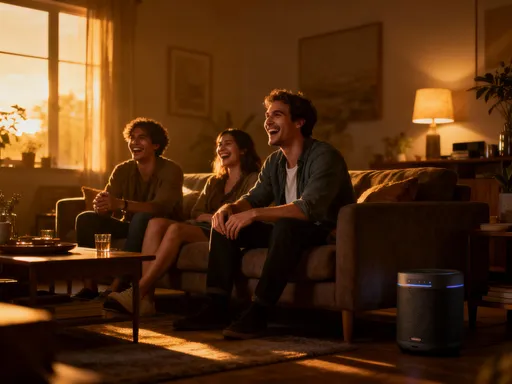
I started thinking of it like hosting a movie night—but for learning. Instead of popcorn, we’d have rolling pins or paintbrushes. The screen wasn’t the star; we were. And the more I invited people in, the more I noticed how hungry everyone was for this kind of connection. Not another Zoom meeting. Not another scrolling session. But real, hands-on, side-by-side learning with people who care.
Choosing the Right Platform for Your People
Now, not every video platform works the same when you’re learning with others. Some are built for solo progress—think of those apps that track your watch time or quiz you after each lesson. Great for individual goals, but not so great for sharing the moment. So I had to get intentional about where we watched.
At first, I’d just play videos on my phone or laptop, but it wasn’t ideal. People craned their necks, someone always missed a step, and the sound was too quiet. Then I remembered our old smart TV. I logged into YouTube, created a private playlist called “Our Learning Kitchen,” and added the videos we wanted to try. Suddenly, we had a big screen, clear audio, and a shared space. No one had to download anything. My mom, who’s not big on apps, could just come over and watch. That made all the difference.
For other groups, I tried different approaches. With a few younger moms who are always texting, I used a shared channel on a learning app where we could leave comments like, “Try this with your toddler!” or “I doubled the recipe and it worked!” They liked being able to chat while watching on their own time. For a group of retirees interested in history videos, we started a weekly in-person session at the community center, where I’d bring a tablet and play documentaries together. We’d pause, discuss, even debate—like a film club, but for knowledge.
The key was matching the platform to the people. If your group loves conversation, pick one with commenting or live features. If they’re less tech-savvy, go for big-screen viewing. If they’re busy, allow flexible timing—like a shared playlist they can watch on their own, then discuss later. The goal isn’t to use the fanciest tool, but the one that makes it easiest for everyone to show up. And don’t be afraid to switch things up. We tried a live-streamed craft tutorial once, but the internet cut out. So next time, we met in person with printed instructions and a backup video on a laptop. Flexibility keeps the connection alive.
Designing a Shared Learning Experience
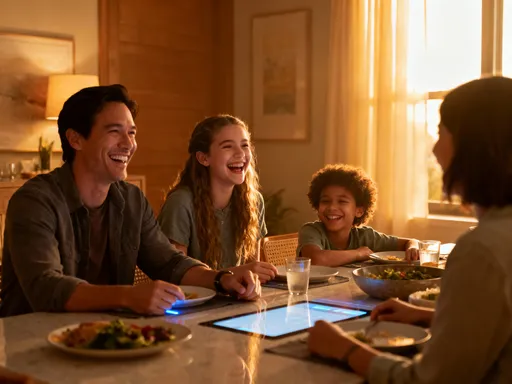
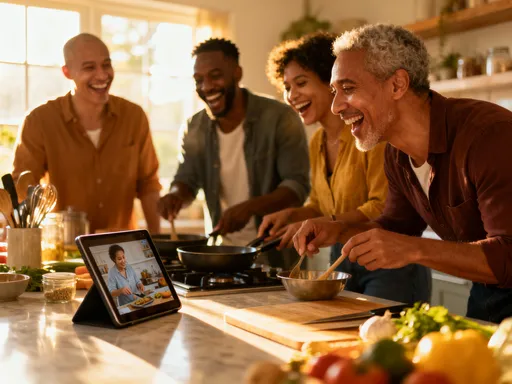
Once we had the right platform, I wanted these sessions to feel special—not like homework, but like an event. So I started treating them like mini gatherings. I’d pick a theme: “Pasta Night,” “Fix-It Friday,” or “Garden Prep Sunday.” I’d send a simple message: “We’re watching a 20-minute video on making fresh pasta. Come hungry. Bring a friend.” I’d set out bowls, aprons, maybe a little wine or lemonade. The vibe wasn’t “class”—it was “let’s do this together.”
During the video, I’d hit pause at key moments. “Okay, wait—how did she fold the edges?” we’d say. Or, “Let’s all try rolling our dough now.” Someone would inevitably make a joke: “Mine looks like a pancake!” and we’d all laugh. Those pauses became the best part. They weren’t interruptions—they were invitations to connect. We weren’t just watching; we were doing, reacting, helping each other.
I learned not to overplan. One time, I tried to create a full lesson with handouts and timers. It felt stiff. The next time, I just said, “Let’s watch and see what happens.” That’s when the magic kicked in. A neighbor brought her grandmother’s rolling pin. Another shared a family herb blend. The video taught us the technique, but the group gave it meaning.
Snacks helped. Not fancy—cheese cubes, sliced apples, warm bread. Something simple that said, “This is a safe, welcoming space.” And I always left extra time at the end, not for cleanup, but for talking. “What part was hardest?” “Would you try this again?” “What should we learn next?” Those conversations often lasted longer than the video. That’s when I realized: we weren’t just building skills. We were building trust.
Growing Skills, Strengthening Bonds
Over time, something beautiful happened. The skills we learned started to matter less than the connections we made. Yes, we got better at cooking, gardening, fixing things. But more than that, we got better at being together. I watched my shy neighbor lead a folding tutorial for reusable food wraps—her hands steady, her voice clear. She’d never hosted anything before. Now she beams when people say, “Show us how you did that.”
A retired teacher in our group started helping kids with science videos. Every week, he’d invite a few children to watch a short clip on weather or plants, then they’d do a simple experiment—like making a rain gauge or growing beans in jars. The kids call him “Mr. Science.” He says it’s the highlight of his week. “I thought retirement would be quiet,” he told me. “But now, I feel useful again.”
These moments weren’t about the technology. The video was just the spark. The real transformation happened in the space between us—in the laughter, the shared mistakes, the quiet pride when someone finally got it right. We began checking in on each other outside the sessions. “How’s your sourdough starter?” “Did the tomatoes survive the frost?” “Need help with the video for your garden club?” We weren’t just learning together—we were caring for each other.
And the kids noticed. My daughter told me, “I like it when we all learn stuff together. It feels like a team.” That word—team—stuck with me. Because that’s what we’d become. Not just a group of people watching videos, but a community built on curiosity, kindness, and the belief that we’re better when we grow together.
Scaling Up Without Losing Warmth
When our bread-making group started, it was just four of us. Now, there are three offshoot groups—in different neighborhoods, in different homes, even at the library. But I was nervous: would it lose its heart as it grew? Would it become too structured, too formal, too much like a class? I didn’t want that. I wanted to keep the warmth, the ease, the “no pressure” feeling that made it special.
So we grew slowly. Instead of inviting ten new people at once, we let each group “graduate” a host. After a few sessions, someone would say, “I’d love to try this at my place.” We’d help them pick a video, send the invite, bring extra supplies. It felt natural, not forced. And because each host brought their own style—some liked music, others wanted quiet focus—each group felt unique, but connected.
We also created simple rhythms. “Fix-It Fridays” became a monthly thing at the community center. People bring broken lamps, wobbly chairs, torn clothes. We watch repair videos together, then try to fix them. A local tailor started showing up to help with sewing. A high school student taught us how to patch a bike tire. It’s not about perfection—it’s about trying, together.
We partnered with the library, too. They let us use a room and even promoted our sessions. Now, they host “Learn & Connect” nights once a month—different themes, open to anyone. No sign-up fee, no requirements. Just come, watch, try. The library staff said attendance has gone up, and people are staying longer, talking more. “It’s not just borrowing books anymore,” one librarian told me. “It’s building community.”
The key to scaling without losing soul? Keep it simple. No complex apps. No mandatory attendance. No pressure to perform. Just one video, one invitation, one shared moment at a time. And always, always make space for the human part—the stories, the questions, the quiet moments when someone says, “I’ve never done this before,” and someone else says, “Me neither. Let’s figure it out.”
A New Normal: Learning as a Way of Life
Today, learning isn’t something I schedule into my week like a chore. It’s woven into my life. It’s in the way my daughter asks, “Can we watch that plant video again?” It’s in the text from a neighbor: “Found a new folding hack—want to try it Sunday?” It’s in the way my community feels more connected, more alive.
We don’t always get it right. Sometimes the video lags. Sometimes the dough collapses. Sometimes no one shows up. But we keep going. Because we’ve learned something deeper than any tutorial could teach: that growth isn’t a solo journey. It thrives in the presence of others—in shared attention, in mutual encouragement, in the simple act of saying, “Let me show you this.”
Technology didn’t bring us together. It gave us a tool, a starting point. But the real magic was in how we used it—not to replace human connection, but to deepen it. The screen didn’t isolate us. It became a window into each other’s lives, a way to say, “I see you. I’m here. Let’s learn something new.”
So if you’ve ever felt alone in your learning, I want to tell you this: you don’t have to be. Pick one video. One skill. One person you care about. Invite them in. Press play. Let the mess happen. Let the laughter rise. Let the connection grow. Because the most powerful lessons aren’t on the screen—they’re in the space between you, where real change begins. And who knows? That one small moment might just grow into something beautiful, one shared video at a time.